
Best Time of Year to Pour Concrete in Central Ohio (And When to Wait)
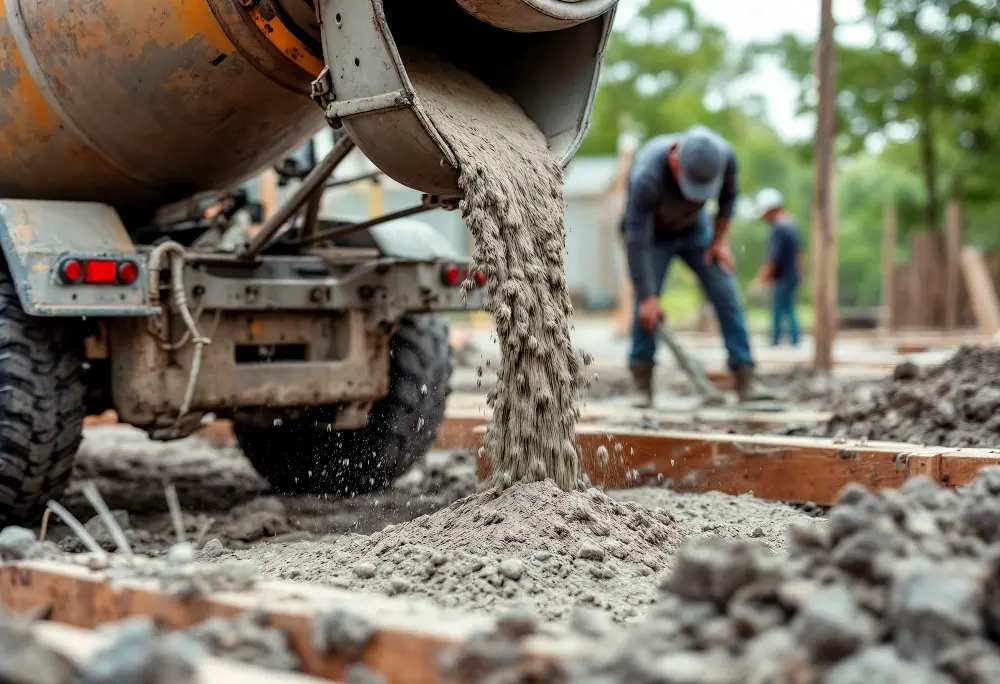
In Central Ohio, the best time to pour concrete is generally late spring through early fall – roughly May through October – when temperatures stay consistently above 50°F and the risk of frost is low. That said, the right timing depends on your specific project, and understanding why temperature and weather matter so much helps […]
Retaining Walls in Columbus: When You Need One and What Goes Into Building It
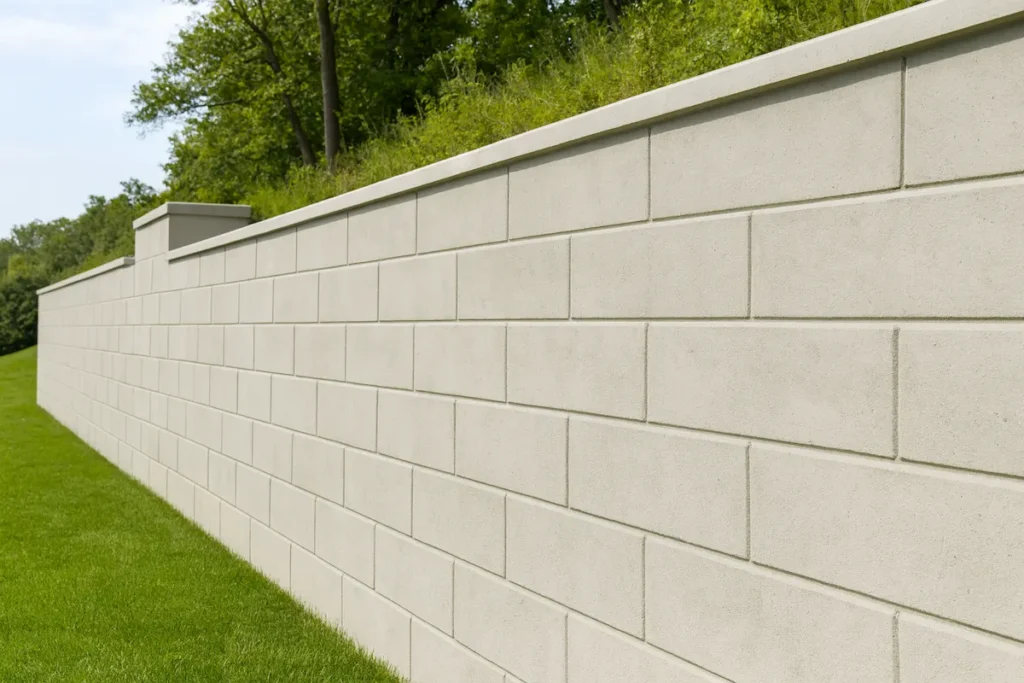
A retaining wall holds back soil on a sloped or uneven property – preventing erosion, creating level usable space, and in many cases dramatically improving how a yard looks and functions. In Central Ohio, where clay-heavy soil shifts with moisture and freeze-thaw cycles put pressure on structures every winter, retaining walls need to be built […]
How to Plan an Outdoor Kitchen in Columbus: What You Need Before You Build

An outdoor kitchen adds real function and value to a Columbus backyard, but jumping straight to picking out grills and countertops is a mistake most homeowners regret. The planning stage – especially the concrete foundation and structural work – determines whether your outdoor kitchen holds up for decades or starts showing problems within a few […]
Stamped Concrete Patios in Columbus: Patterns, Costs, and What to Expect
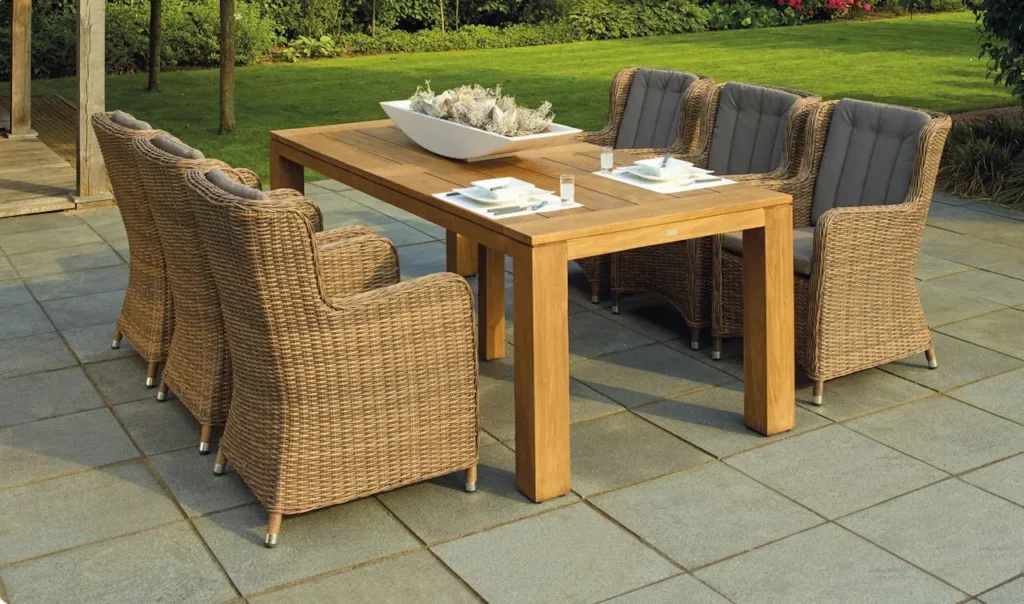
Stamped concrete is one of the most popular patio choices for Columbus homeowners who want the look of natural stone or brick without the higher cost. It’s poured, patterned, and colored on-site to mimic materials like flagstone, slate, cobblestone, or wood – and when installed correctly, it holds up well through Central Ohio winters. If […]
Exposed Aggregate Patios: Why Columbus Homeowners Love This Finish
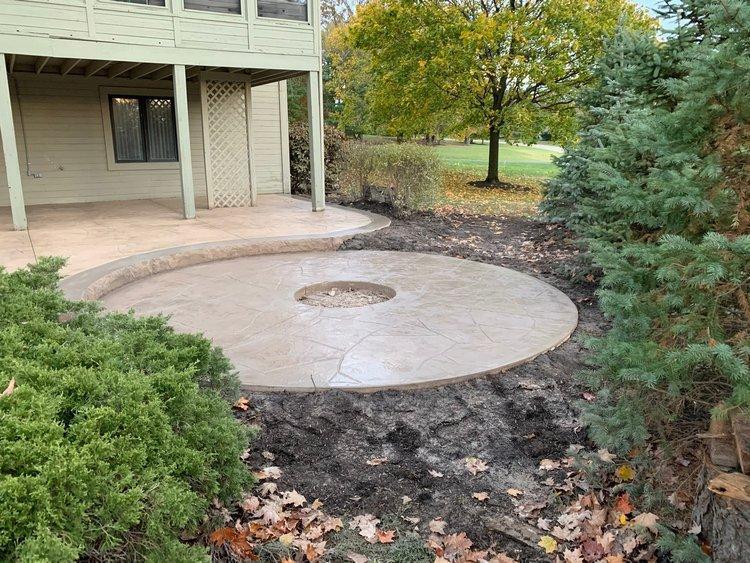
Quick Answer: Exposed aggregate concrete reveals the natural stones and pebbles within the mix, creating a textured, slip-resistant surface that’s both beautiful and functional. It’s ideal for patios, pool decks, and walkways in Columbus because it handles Ohio’s freeze-thaw cycles well, provides excellent traction when wet, and requires minimal maintenance while offering a high-end natural […]
Stamped Concrete Driveways in Columbus: Designs, Durability, and Cost Factors
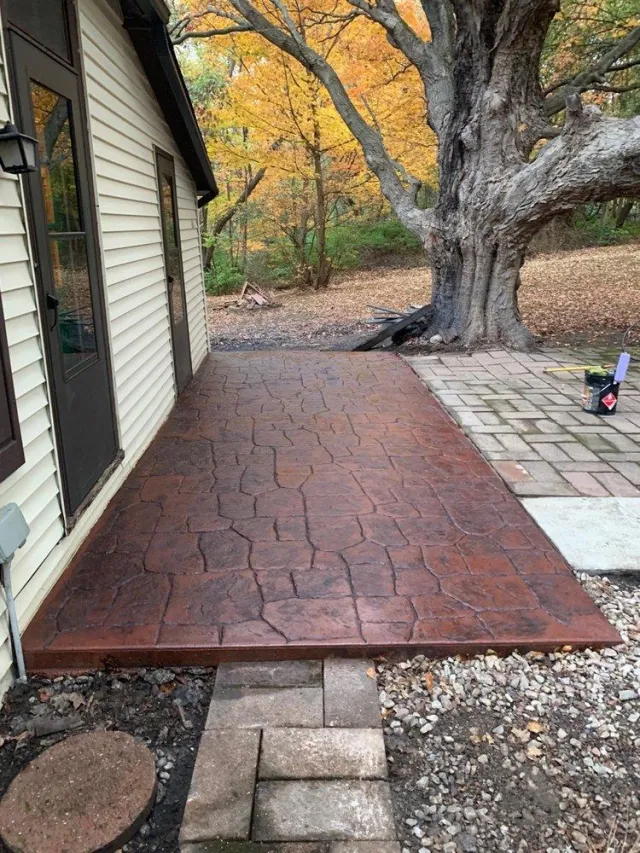
Quick Answer: Stamped concrete driveways in Columbus provide the aesthetic appeal of high-end materials like natural stone or brick pavers at a significantly lower cost. When properly installed with air-entrained concrete and sealed regularly, stamped driveways handle Ohio’s freeze-thaw cycles well and can last 30+ years. Costs are higher than standard concrete but far less […]
Driveway Replacement Cost Columbus: What You’re Actually Paying For
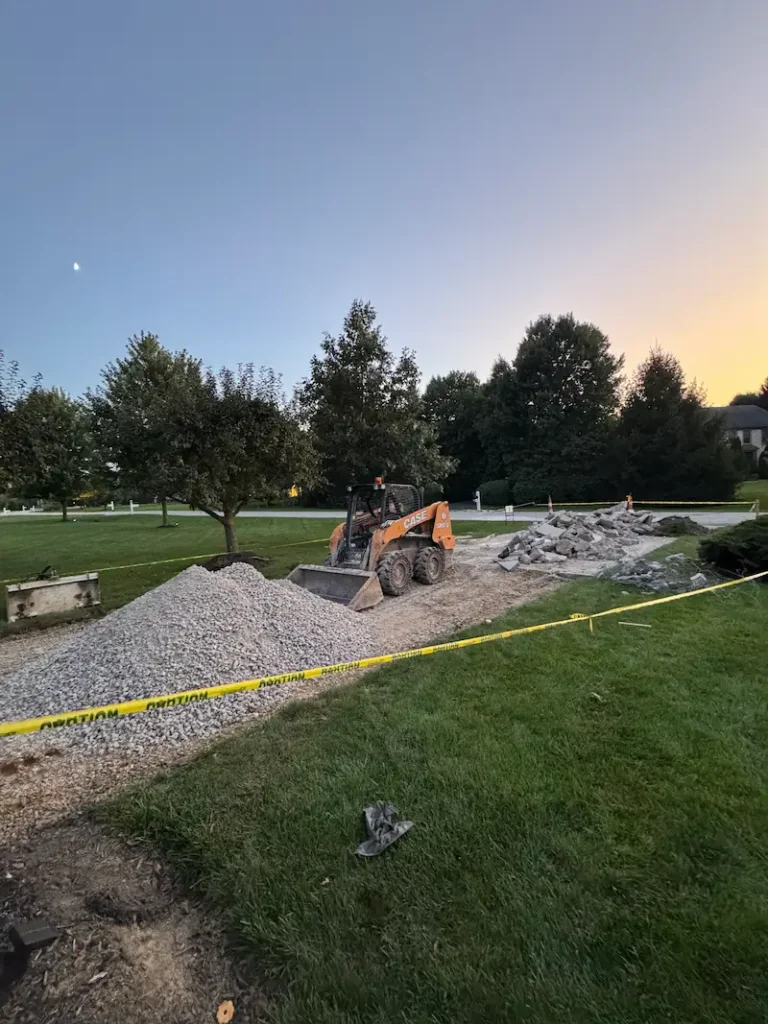
Quick Answer: Concrete driveway replacement costs in Columbus depend on driveway size, removal and disposal of the old driveway, base preparation requirements, concrete thickness and reinforcement, site access, and finishing options. The quality of base preparation and proper installation techniques matter far more than the initial price quote—cheap installations fail early and cost more in […]
What Causes Concrete Driveway Cracks in Columbus? (And How to Prevent Them)
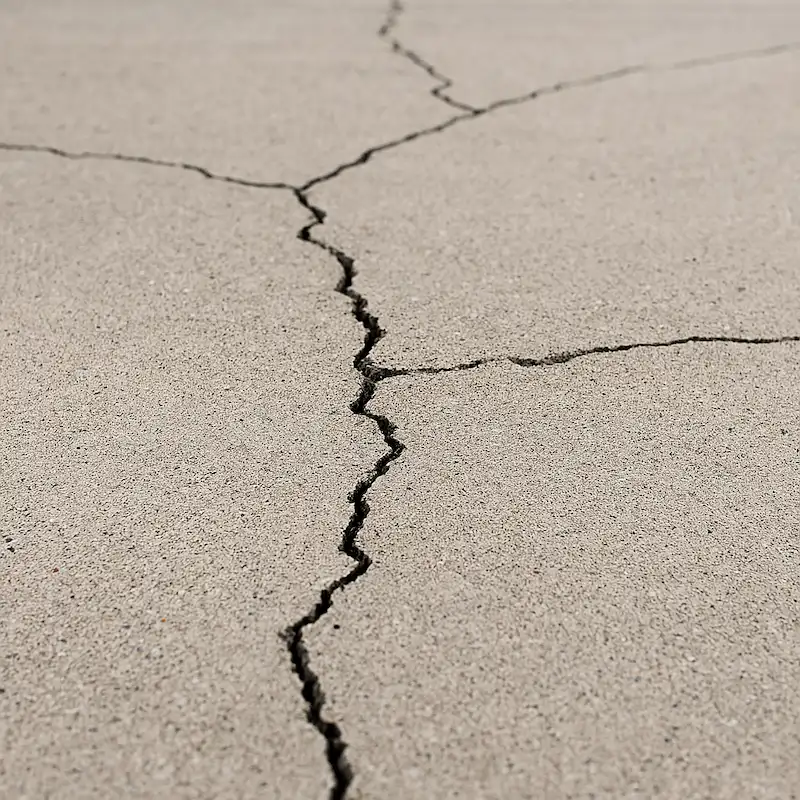
Quick Answer: Most concrete driveway cracks in Columbus result from freeze-thaw cycles, Ohio’s expansive clay soil, poor base preparation, and inadequate drainage. Some hairline cracking is normal and doesn’t indicate structural problems, but widespread cracking usually points to installation issues or soil movement. Proper base prep, air-entrained concrete, and control joints prevent most serious cracking. […]
How Long Does a Concrete Driveway Last in Central Ohio?
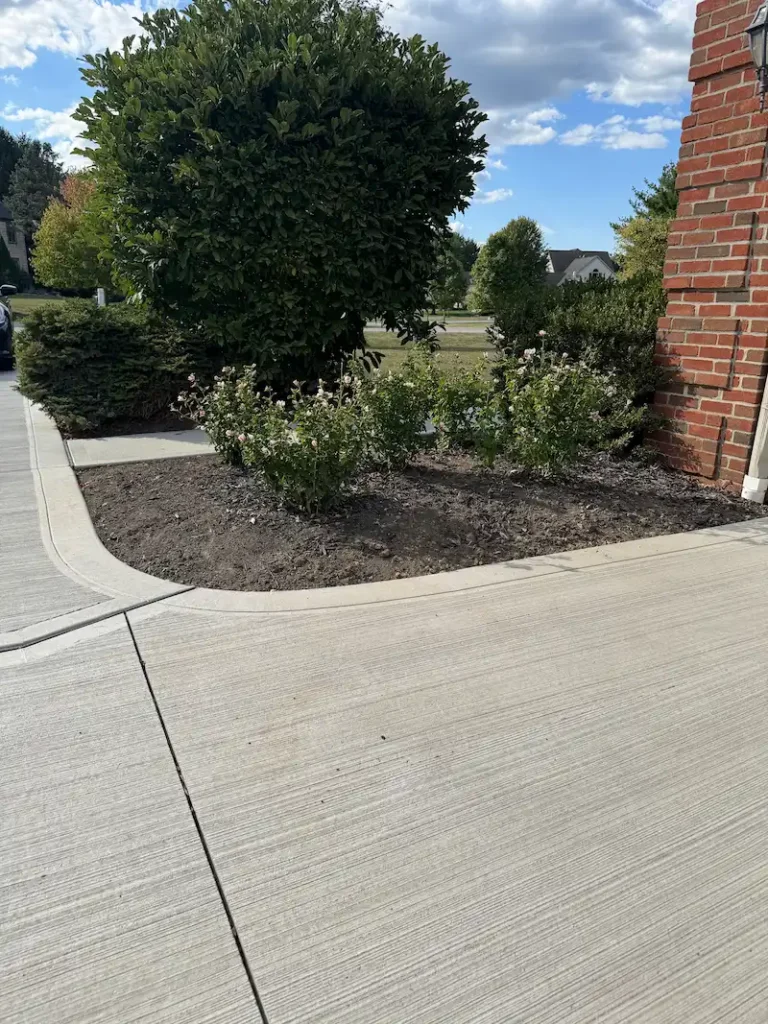
Quick Answer: A well-installed concrete driveway in Central Ohio typically lasts 30 to 40 years, and some last even longer with proper maintenance. The key factors that determine lifespan are installation quality (especially base preparation), Ohio’s freeze-thaw cycles, drainage management, and regular maintenance like sealing every few years. When you’re investing thousands of dollars in […]
Signs Your Columbus Driveway Needs Replacement vs. Repair

Quick Answer: Minor surface cracks, small spalling areas, and isolated damage typically call for repair. But if you’re seeing widespread cracking, significant settling, drainage problems, or damage covering more than 25-30% of your driveway, replacement usually makes more sense. The deciding factors come down to the extent of damage, the driveway’s age, and whether repairs […]