Stamped concrete is one of the most popular patio choices for Columbus homeowners who want the look of natural stone or brick without the higher cost. It’s poured, patterned, and colored on-site to mimic materials like flagstone, slate, cobblestone, or wood – and when installed correctly, it holds up well through Central Ohio winters. If you’re weighing your patio options, here’s what you need to know about stamped concrete before you commit.
What Is Stamped Concrete, Exactly?
Stamped concrete is standard concrete that gets textured and colored before it fully cures. After the slab is poured and leveled, our crew presses large rubber stamps into the surface to create patterns – then adds color through integral pigments, surface hardeners, or antiquing releases that highlight the texture.
The result looks like a premium material but performs like concrete. That matters here in Columbus, where freeze-thaw cycles put serious stress on outdoor surfaces every winter.
Popular Stamped Concrete Patterns for Columbus Patios
There’s no shortage of options. The patterns we install most often for Central Ohio homeowners include:
Ashlar Slate
A clean, rectangular stone pattern that works well with both traditional and modern home styles. It’s one of our most requested patterns in neighborhoods like Worthington and Upper Arlington, where homes tend toward classic architecture.
Cobblestone and Brick
Great for homeowners who want an old-world or European feel. These patterns pair well with brick homes and add character to entryways and patio borders.
Flagstone and Random Stone
One of the most natural-looking options. The irregular shapes mimic real flagstone closely, and when combined with earth-tone coloring, it blends naturally into landscaping.
Wood Plank
A surprisingly convincing finish that gives the warmth of wood without the maintenance. Popular for covered patios and outdoor living areas where a natural feel is the goal.
Color Options: More Than Just Gray
Color is where stamped concrete really separates itself from plain concrete. There are three main ways color gets incorporated:
Integral color is mixed directly into the concrete before it’s poured. This gives a consistent base color throughout the slab – so if the surface chips or wears, the color remains.
Color hardener is broadcast onto the surface before stamping. It densifies the top layer and provides rich, consistent color with good durability.
Antiquing release is applied before stamping to prevent the stamps from sticking and to add a secondary, contrasting tone. This is what creates that realistic two-toned look you see on high-end stamped patios.
Most of the stamped concrete patios we install in Columbus use a combination of these – typically a base color with a release agent for depth and contrast.
What Does Stamped Concrete Cost in Columbus?
Stamped concrete costs more than plain concrete, but less than natural stone or pavers in most cases. In the Columbus market, you can generally expect stamped concrete to run higher per square foot than a basic broom-finished slab, with the final number depending on pattern complexity, color choices, and site conditions.
A simple single-pattern patio with one color runs less than a multi-pattern design with custom borders and multiple color layers. Size matters too – larger projects tend to cost less per square foot because setup and labor are spread over more area.
We provide free estimates for all stamped concrete projects, so you get a clear number based on your specific yard and goals before any work begins. Reach out at our contact page or call us at (614) 679-4338 to get started.
How Stamped Concrete Holds Up in Central Ohio Weather
This is the question we hear most from Columbus homeowners, and it’s a fair one. Ohio winters are hard on outdoor surfaces. Freeze-thaw cycles – where water seeps into surface pores, freezes, expands, and then thaws – can cause cracking and surface deterioration in concrete that wasn’t installed properly.
The key is using air-entrained concrete, which contains microscopic air bubbles that give water room to expand as it freezes. This dramatically reduces freeze-thaw damage. At CR Concrete Construction, we’ve been installing concrete in Columbus since 1991, and air-entrainment is standard on every exterior slab we pour.
Proper sealing also matters. Stamped concrete should be sealed after installation and resealed every 2-3 years. The sealer protects the color, enhances the finish, and keeps water from penetrating the surface.
Stamped Concrete vs. Pavers: How Do They Compare?
Pavers are the main alternative homeowners consider. Both look great, but they behave differently over time.
Pavers can shift and settle individually, especially in Central Ohio’s clay-heavy soil. When one section drops, you end up with an uneven surface that needs releveling. Stamped concrete is a monolithic slab – it moves as one unit, which means fewer long-term maintenance headaches.
That said, if a section of stamped concrete does crack, the repair involves color-matching, which can be tricky to get perfect. Pavers are easier to swap out individually. It’s a trade-off worth understanding before you decide.
For most Columbus homeowners, stamped concrete wins on cost, low maintenance, and design consistency. Pavers tend to win when someone wants flexibility for future changes or prefers the individual unit look.
The Installation Process for a Stamped Concrete Patio
Here’s what to expect from start to finish when we install a stamped concrete patio:
Site Preparation
We excavate the area to the proper depth, remove any existing material, and grade for drainage. Poor grading is one of the main causes of standing water and long-term concrete problems, so we take this step seriously.
Base Installation
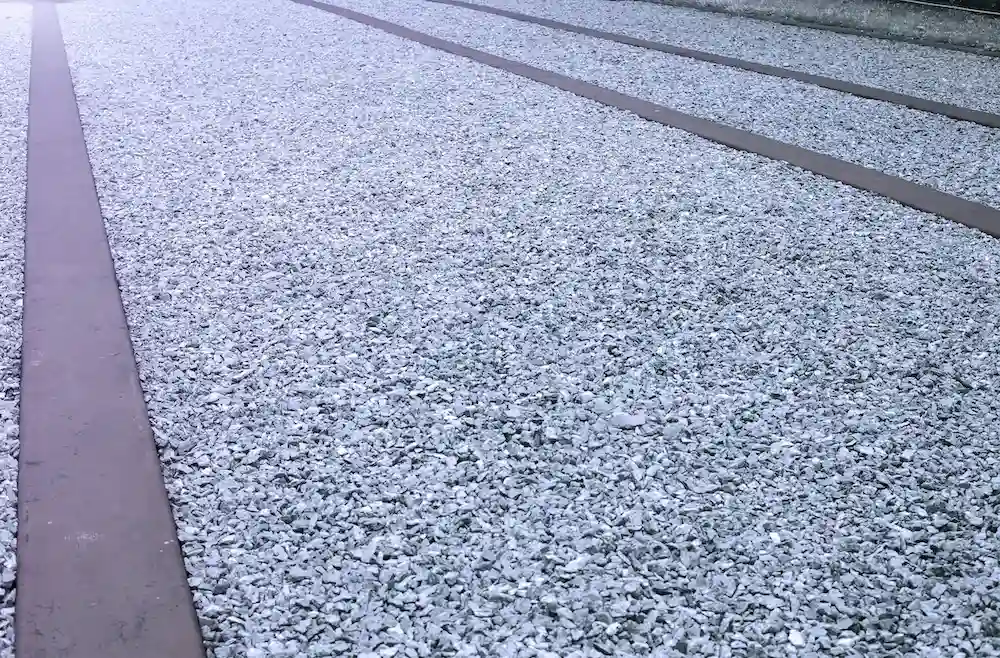
A compacted gravel base goes in before any concrete is poured. This provides drainage and a stable foundation – especially important in Columbus’s clay soil, which holds water and can cause shifting if the base isn’t right.
Formwork and Reinforcement
We set the forms to define the patio shape and install wire mesh or rebar for structural reinforcement. This is what keeps the slab from cracking under load or ground movement.
Pouring and Finishing
The concrete is poured, leveled, and brought to the right consistency for stamping. Color hardener or integral color is applied at this stage. Then the stamps go in – timing matters here, because the concrete needs to be firm enough to hold the impression but not so hard that the stamps won’t penetrate.
Sealing
Once the concrete has cured, we apply a quality sealer to protect the surface and bring out the color. You’ll want to stay off the patio for at least 24 hours after sealing.
Maintenance: What You’ll Need to Do
Stamped concrete is low maintenance, but not no maintenance. Here’s what keeps it looking good long-term:
Reseal every 2-3 years, or when water stops beading on the surface. Use a cleaner designed for concrete – avoid harsh chemicals. In winter, skip the rock salt on your stamped patio. Salt accelerates surface deterioration on all concrete, but especially on sealed decorative surfaces. Sand is a safer alternative for traction.
With proper care, a well-installed stamped concrete patio in Columbus can last 25 years or more.
Is Stamped Concrete Right for Your Columbus Patio?
If you want a patio that looks custom, holds up to Ohio weather, and doesn’t require the ongoing maintenance of wood or the higher cost of natural stone, stamped concrete is worth serious consideration. It’s one of the most versatile finishes we offer through our decorative concrete services, and we’ve installed it on everything from small backyard patios to large multi-zone outdoor living spaces.
It works especially well when combined with other hardscaping elements like retaining walls, outdoor kitchens, or fire pits – turning a plain backyard into a space you’ll actually use year-round.
Frequently Asked Questions
Can stamped concrete be installed in cold weather?
Concrete should not be poured when temperatures are below 40°F or expected to drop below freezing within 24 hours. In Columbus, this generally means the best installation window runs from late April through October, though mild fall days can extend the season.
How long before I can use a new stamped concrete patio?
We typically ask homeowners to stay off the surface for 24-48 hours after sealing, and to avoid heavy furniture or traffic for about a week. Full cure takes 28 days, but the patio is usable well before that.
Will my stamped concrete crack?
All concrete can crack – we won’t tell you otherwise. What we can tell you is that proper base preparation, air-entrained mix, reinforcement, and control joints significantly reduce the likelihood. Most surface cracks, if they occur, are cosmetic and don’t affect structural integrity.
Ready to talk through your patio project? Contact CR Concrete Construction for a free estimate, or call us at (614) 679-4338. We serve Columbus and surrounding communities including Worthington, Dublin, Upper Arlington, and beyond.