Maintaining concrete in Central Ohio comes down to four things done consistently: sealing on schedule, keeping rock salt off the surface, clearing snow and debris promptly, and catching early damage before it becomes a bigger problem. Columbus’s freeze-thaw climate puts real stress on outdoor concrete every year, but a straightforward seasonal routine extends the life of driveways, patios, sidewalks, and steps significantly – often doubling how long they look and perform well before any major work is needed.
Why Central Ohio’s Climate Requires Active Concrete Maintenance
Concrete in Columbus doesn’t just age – it gets tested. Every winter, temperatures cycle repeatedly through freezing and thawing. Water infiltrates the surface pores of unprotected or under-sealed concrete, freezes, expands, and forces apart the material from within. That process – called freeze-thaw cycling – is the single biggest driver of concrete deterioration in Central Ohio.
The good news is that it’s largely preventable. Properly sealed concrete resists water infiltration. Properly maintained sealer prevents the infiltration that drives freeze-thaw damage. Avoiding rock salt prevents the chemical acceleration of that damage that turns a slow process into a fast one. None of this requires specialized knowledge or expensive products – it requires consistency.
In our 30+ years serving Columbus and surrounding communities, the concrete that calls us back for early replacement almost always has the same story: it was never sealed after installation, or it was sealed once and never resealed, or rock salt was used on it every winter. The concrete that holds up for 30+ years has the opposite story.
Spring: Assess and Repair
Spring is the most important season for concrete inspection in Columbus. Winter’s freeze-thaw cycles have done their work, and early spring – before another summer of use – is when you want to catch problems while they’re still manageable.
Post-Winter Inspection
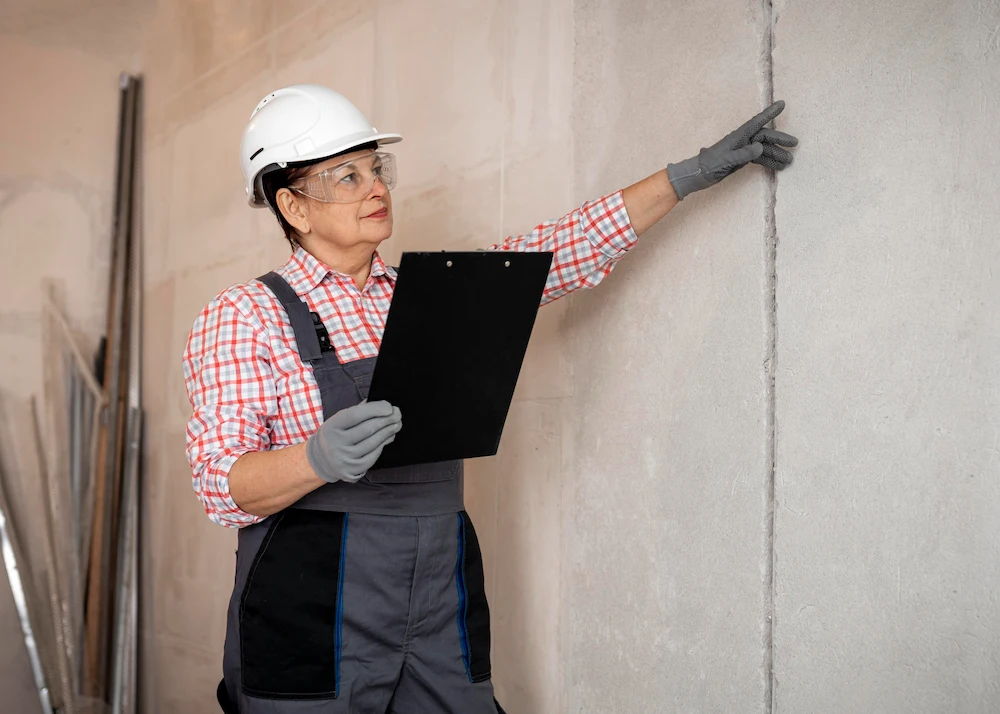
Walk your driveway, patio, sidewalks, and steps in early spring and look for: new cracks or widening of existing ones, surface scaling where thin flakes of the top layer have broken away, spalling where deeper chunks have separated, settled sections that have shifted relative to adjacent panels, and any pooling water that wasn’t present before winter.
Minor surface cracks – hairline cracks less than a quarter inch wide that haven’t shifted vertically – can often be sealed with a concrete crack filler and monitored. Wider cracks, cracks with vertical displacement, and widespread scaling warrant a professional assessment to determine whether repair or replacement makes more sense. Our driveway replacement vs. repair guide covers that decision in detail.
Salt Residue Rinse
Salt applied during winter doesn’t disappear when the snow melts. It sits on and in the concrete surface through spring, continuing to react chemically and accelerating deterioration. Rinsing the surface thoroughly with a garden hose in early spring – before the salt has worked deeper into the concrete – limits the ongoing damage. This is a simple step that most homeowners skip, and it makes a real difference over time.
Sealer Check
While you’re inspecting the surface, test whether the sealer is still working. Pour a small amount of water on the concrete – if it beads up and sits on the surface, the sealer is intact. If it soaks in quickly, the sealer has worn down and resealing should go on your spring or fall to-do list before the next winter. Don’t wait until fall if the sealer is clearly gone – spring is fine for resealing as long as temperatures are above 50°F and the surface is dry.
Summer: Light Maintenance and Smart Use
Summer is the low-maintenance season for concrete in Columbus. The main considerations are keeping the surface clean, protecting decorative finishes from UV exposure, and avoiding a few specific sources of surface damage.
Routine Cleaning
Concrete patios and driveways benefit from occasional cleaning during summer to remove dirt, organic debris, and staining from vehicles or outdoor cooking. A garden hose handles most routine cleaning. For heavier staining, a pressure washer on a moderate setting works well – avoid very high-pressure settings directly on decorative or stamped finishes, which can lift the sealer or damage the surface texture.
Use a pH-neutral cleaner for any scrubbing. Harsh acidic or bleach-based cleaners strip sealers and can etch the concrete surface, undoing the protection you’ve built up.
Watch for Grease and Oil
Vehicle drips and outdoor cooking grease are the two most common staining sources on Columbus concrete. Fresh spills clean up easily with dish soap and water. Stains that have had time to penetrate unsealed concrete are harder to remove and may require a dedicated concrete degreaser. Keeping the surface sealed is the most effective prevention – a good sealer prevents oil from penetrating the surface in the first place.
Protect Decorative Finishes from Summer Sun
UV exposure gradually breaks down film-forming sealers on stamped, colored, and exposed aggregate concrete. Surfaces that get direct sun throughout the day fade and lose sealer protection faster than shaded ones. If you have decorative concrete on your Gahanna, Upper Arlington, or Dublin property that sees heavy sun exposure, the two-year end of the 2-3 year resealing range is more appropriate than the three-year end.
Fall: The Most Important Maintenance Window
Fall is the single most important maintenance season for Columbus concrete. What you do – or don’t do – before winter arrives determines how your concrete handles the next five months of freeze-thaw stress.
Reseal Before Winter
If your sealer check from spring showed degradation, or if it’s been 2-3 years since the last reseal, fall is the time to act. Sealer needs to be applied when surface temperatures are above 50°F and the concrete is dry – a window that typically closes in October or November in Central Ohio depending on the year.
Don’t push this into November and hope for a warm week. Scheduling a reseal in September or early October gives flexibility if weather delays the work. A properly applied fall sealer is the primary protection your concrete has going into the freeze-thaw season. Our concrete sealing guide covers product types, application methods, and how to choose the right sealer for your specific surface.
Clear Debris
Leaves and organic debris left on concrete through fall and winter create two problems. They hold moisture against the surface, increasing water infiltration. And as they decompose, they release tannins and organic acids that stain concrete and can affect sealer adhesion over time. Keeping concrete surfaces clear through fall leaf season is a simple step with a real impact.
Check Drainage
Make sure any drains adjacent to your driveway or patio are clear before winter. Water that pools against or under concrete because a drain is clogged with leaves doesn’t drain before freezing – and standing water that freezes does significantly more damage than water that drains away normally.
Winter: Protective Practices That Matter
Winter concrete care in Columbus comes down to two things: prompt snow removal and avoiding rock salt. Both are straightforward. Both make a meaningful difference in how concrete holds up over multiple winters.
Snow Removal
Removing snow promptly – before it compacts and bonds to the surface – reduces the amount of ice that forms and reduces the need for any deicer at all. A plastic shovel blade is gentler on concrete than a metal one. Snow blowers work well on driveways. The goal is to expose the concrete surface so any remaining moisture can evaporate rather than freeze in place.
What to Use for Ice – and What to Avoid
Rock salt is the most damaging deicer for concrete in Columbus. It lowers the freezing point of water, which means more freeze-thaw cycles per day – accelerating the damage the concrete undergoes. It also reacts chemically with compounds in the cement paste, weakening the surface layer over time. The result is scaling – the flaking surface deterioration that makes driveways look old before their time.
Sand is the safest traction option for concrete. It provides grip without any chemical reaction with the surface. Potassium chloride is the least damaging chloride-based deicer if melting action is genuinely needed. Calcium chloride and magnesium chloride – despite being marketed as “concrete-safe” alternatives – both cause surface damage with repeated use and should be avoided on concrete you want to last. Our concrete salt damage guide covers deicers and their effects in full detail.
Avoid Heavy Concentrated Loads Near Edges
Concrete edges and control joint lines are the most structurally vulnerable areas of any slab. Heavy vehicles parking with a wheel directly on a control joint or right at the edge of a driveway put concentrated stress at exactly the wrong location. This is worth keeping in mind when clearing driveways and directing parking through winter.
When Maintenance Isn’t Enough: Knowing When to Call
A good maintenance routine extends concrete life significantly – but it doesn’t prevent all problems, and some damage warrants professional assessment regardless of how well the surface has been maintained. If you notice cracks widening across multiple seasons, settled sections that are creating height differences, or widespread scaling that’s progressing year over year, those are signs to have the concrete assessed before the next winter makes things worse.
Our concrete installation and replacement team offers free assessments throughout Columbus and surrounding communities. We’ll tell you honestly whether repair, resurfacing, or replacement makes the most sense for what we see – no upsell, just a straight answer based on the actual condition of your concrete.
Frequently Asked Questions
How often should I reseal concrete in Columbus?
Every 2-3 years is the standard recommendation for exterior concrete in Central Ohio. Surfaces that get heavy sun exposure, heavy traffic, or heavy winter deicer use should be resealed closer to the two-year mark. The water bead test is the most practical indicator – when water stops beading and starts soaking in, it’s time to reseal regardless of when the last application was.
Can I reseal concrete myself?
Yes, for plain concrete surfaces. The surface needs to be clean, dry, and free of any peeling or failing sealer from previous applications before a new coat goes on. For decorative, stamped, or colored concrete, matching the right sealer type to the existing product is important – applying the wrong sealer over a decorative finish can cause adhesion issues or change the appearance. When in doubt, having a professional handle the reseal on decorative surfaces protects the investment.
Have questions about maintaining your Columbus concrete or want a free assessment of an existing surface? Contact CR Concrete Construction or call us at (614) 679-4338. We serve Columbus and surrounding Central Ohio communities.