Quick Answer: Concrete driveway replacement costs in Columbus depend on driveway size, removal and disposal of the old driveway, base preparation requirements, concrete thickness and reinforcement, site access, and finishing options. The quality of base preparation and proper installation techniques matter far more than the initial price quote—cheap installations fail early and cost more in the long run.
When Columbus homeowners call us about replacing their driveway, the first question is usually about cost. It’s a fair question—you’re making a significant investment and want to budget appropriately.
But here’s the thing: if you’re shopping purely on price, you’re asking the wrong question. The real question should be: what am I actually paying for, and will this driveway last?
We’ve been installing concrete driveways in Columbus since 1991, and we’ve seen what happens when homeowners choose based solely on the lowest bid. They end up calling us 5 to 10 years later for a complete redo because the first contractor cut corners.
Let’s break down what you’re actually paying for when you invest in a quality driveway replacement.
What Drives the Cost of Driveway Replacement
Size Is the Most Obvious Factor
The bigger your driveway, the more you’ll pay. This seems obvious, but it’s worth stating: concrete is priced by the square foot or cubic yard, so a two-car driveway costs significantly more than a single-car driveway.
Most residential driveways in Columbus, Worthington, and Upper Arlington range from 400 to 800 square feet for standard two-car driveways. Larger driveways or properties with circular drives obviously cost more.
Removal and Disposal Aren’t Free
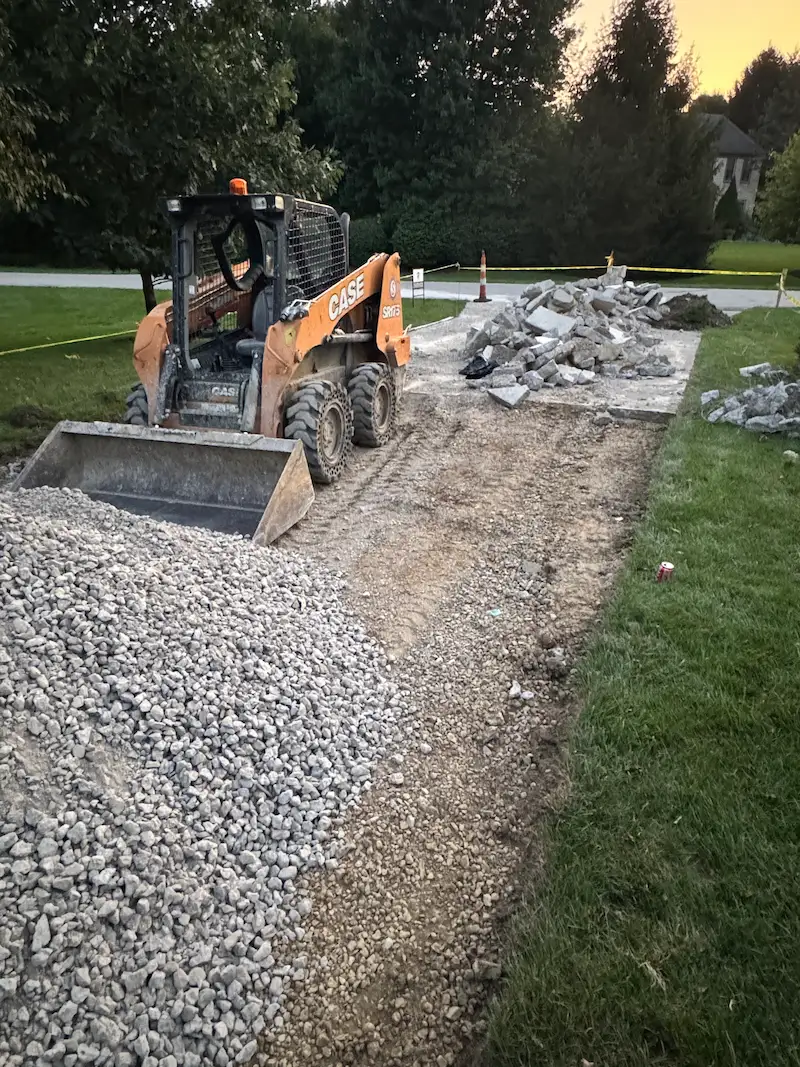
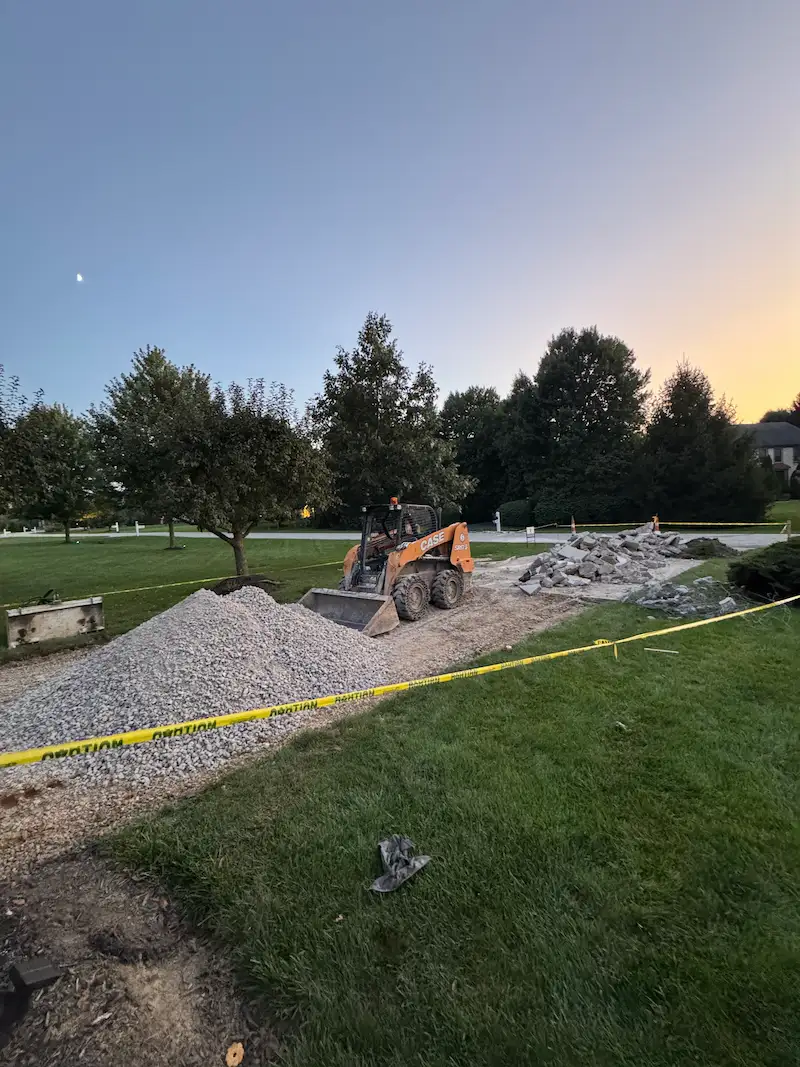
Before new concrete goes in, the old driveway has to come out. This means breaking up the existing concrete, hauling it away, and disposing of it properly.
Removal costs vary depending on the thickness of the old concrete, whether there’s reinforcement (rebar makes removal harder), site access for equipment, and local disposal fees.
Some contractors lowball their bids by underestimating removal costs, then hit you with change orders once the project starts. We include removal in our estimates from the beginning—no surprises.
Base Preparation Is Where Quality Shows
This is the most critical factor that separates a driveway that lasts 30+ years from one that fails in 10.
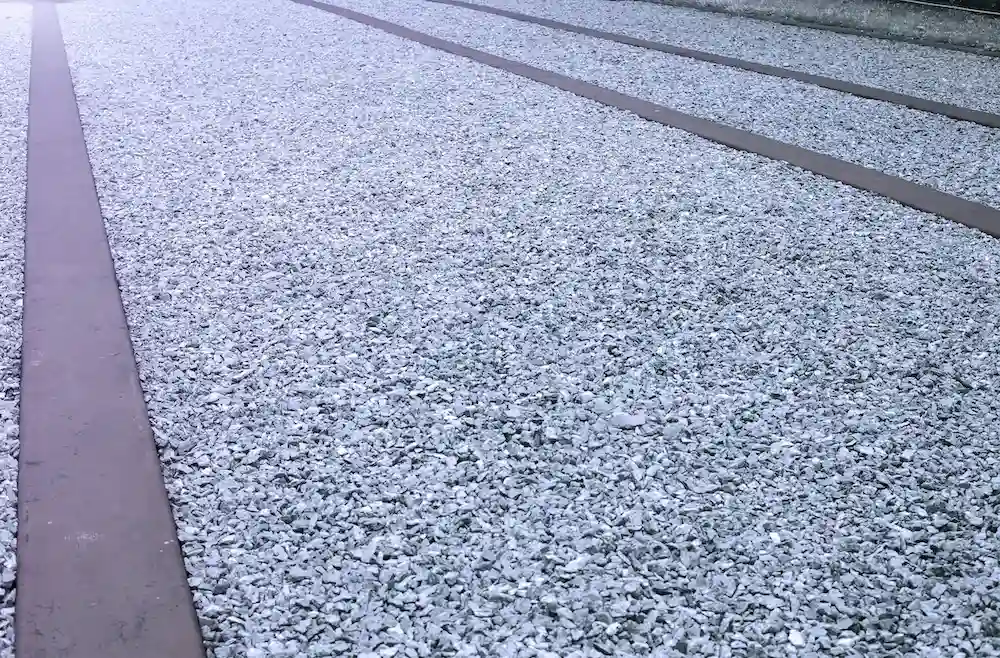
Proper base preparation in Central Ohio means excavating deep enough to get below unstable soil (our clay soil is notorious for shifting), replacing it with 6-8 inches of compacted gravel, grading for proper drainage, and compacting in layers to prevent future settling.
This takes time, quality materials, and equipment. It also costs more than just screeding some gravel and calling it good.
But here’s the reality: you can’t see the base once concrete is poured. If your contractor skimps here to save money, you won’t know until your driveway starts settling and cracking a few years later. By then, the only fix is complete replacement.
We don’t cut corners on base prep. Ever. It’s the foundation of everything else, and Carlos personally oversees this part of every project.
Concrete Thickness and Reinforcement Matter
Standard residential driveways should be 6 inches thick. Some contractors pour 4-inch driveways to save on concrete costs. That might work for a walkway, but it’s not adequate for vehicles—especially if you ever park trucks or SUVs.
Reinforcement adds strength. We use wire mesh or rebar depending on the application and site conditions. It costs more than plain concrete, but it prevents cracking and adds years to your driveway’s lifespan.
We also use air-entrained concrete mixes for all our Columbus area projects. The microscopic air bubbles help the concrete survive Ohio’s freeze-thaw cycles. Again, this costs slightly more than standard mixes, but it’s non-negotiable for durability.
Site Access and Conditions
Is your driveway easy to access with concrete trucks and equipment, or is it tight and challenging? Easy access costs less. Difficult access—narrow streets, limited turnaround, obstacles—costs more because it takes more time and sometimes requires smaller equipment or special handling.
We’ve done projects in Clintonville and Bexley where older neighborhoods have tight access. It’s doable, but it affects pricing.
Existing site conditions matter too. If your property has drainage issues, unstable soil, or significant grading challenges, addressing those adds to the cost. But ignoring them guarantees problems down the road.
Finishing Options Affect Price
Standard broom finish is the most economical option—it’s functional, slip-resistant, and looks fine. Most driveways use this finish.
If you want decorative concrete options—stamped patterns, colored concrete, exposed aggregate—those cost more because they require additional materials, specialized skills, and more labor time. But they also add significant curb appeal and can increase your property value.
We’ve done beautiful stamped driveways in Dublin and Powell that look like high-end stone pavers but cost a fraction of the price and require far less maintenance.
Why the Cheapest Bid Usually Costs More in the Long Run
We get it—budgets are real, and you want to save money where you can. But driveway replacement isn’t the place to cut corners.
Here’s what typically happens with the lowest bid: inadequate base preparation (they’ll skimp on excavation depth or compaction), thinner concrete than recommended, no air entrainment in the mix, skipped or improperly placed control joints, rushed installation that doesn’t allow for proper curing.
The result? A driveway that starts showing problems within 5 to 10 years instead of lasting 30+. When that happens, you’re not saving money—you’re just delaying the expense and paying for two driveways instead of one.
We’ve replaced plenty of driveways in Westerville and Gahanna that were less than a decade old because the original contractor cut corners to win the bid.
What You Should Expect from a Quality Contractor
When you’re evaluating bids, here’s what separates contractors who do it right from those who cut corners.
A Thorough Site Assessment
A quality contractor will visit your property, evaluate soil conditions, discuss drainage, ask about your usage patterns (do you park heavy vehicles? RVs?), and explain site-specific challenges before providing an estimate.
If someone gives you a price over the phone without seeing your property, that’s a red flag.
A Detailed Written Estimate
You should receive a written estimate that breaks down removal and disposal, base preparation specifications, concrete thickness and mix specifications, reinforcement details, finishing options, drainage considerations, and timeline.
Vague estimates that just give a total price leave room for misunderstandings and change orders later.
References and Examples of Past Work
Any contractor worth hiring can show you completed projects and provide references. We’re proud of our work, and our project gallery shows the quality Columbus homeowners can expect from us.
If a contractor can’t show you examples of their work or avoids giving references, walk away.
Proper Licensing and Insurance
In Ohio, concrete contractors should be licensed, bonded, and insured. This protects you if something goes wrong during the project. If a contractor can’t provide proof of insurance, don’t hire them—no matter how good the price seems.
We’re fully licensed and insured, and we can provide documentation before we start any project.
How to Budget for Your Driveway Replacement
While we can’t give you an exact price without seeing your property (anyone who does is guessing), here’s how to think about budgeting.
Get Multiple Estimates
Get at least three estimates from reputable contractors. This gives you a realistic sense of the price range and helps you spot lowball bids that should raise red flags.
Focus on Value, Not Just Price
The lowest bid isn’t always the best value. Look at what’s included in each estimate, ask about base preparation methods and materials, verify concrete specifications, and check references and past work.
A slightly higher price from a contractor who does quality work will save you money over the life of your driveway.
Plan for the Best Time of Year
Spring and fall are ideal for concrete work in Columbus. Prices can sometimes be more competitive during these shoulder seasons when contractors aren’t as slammed. Avoid scheduling during peak summer or winter months if you can.
Consider Long-Term Costs
A quality driveway lasts 30 to 40 years with minimal maintenance—maybe some periodic sealing and minor crack repair. A cheap driveway might need replacement in 10 to 15 years. Factor that into your decision.
What’s Not Worth Paying Extra For
While quality matters, there are some things that genuinely don’t add value.
Extreme thickness beyond 6 inches for residential driveways is usually overkill unless you’re parking commercial vehicles. Decorative options you don’t actually want—get what appeals to you, not what the contractor pushes. Extended warranties that sound good but have so many exclusions they’re meaningless.
Focus your budget on the fundamentals: quality base prep, proper concrete thickness and mix, and skilled installation. Those are the things that determine how long your driveway lasts.
How CR Concrete Approaches Pricing
We’ve been serving Columbus and Central Ohio since 1991, and our approach to pricing is straightforward.
We provide free estimates with no obligation. Carlos visits your property personally to assess site conditions and discuss your needs. We give you a detailed written estimate that breaks down what you’re paying for—no hidden costs or surprise charges.
We price our work to reflect the quality materials and skilled labor required to do it right. We’re not the cheapest option, but we’re also not the most expensive. We’re the contractor homeowners call when they want a driveway that lasts decades, not just a few years.
Frequently Asked Questions
Can I save money by doing some of the work myself?
Concrete work requires specialized skills, equipment, and timing. DIY concrete projects often end up costing more when they need professional repair or replacement. We recommend leaving it to experienced contractors who do this for a living.
Does concrete cost more than asphalt?
Yes, concrete has a higher upfront cost than asphalt. However, concrete lasts 30+ years compared to asphalt’s 15-20 years, and requires less maintenance. Over the long term, concrete often costs less per year of service.
How long does a driveway replacement project take?
Most residential driveways take a few days to a week from start to finish. Removal and base prep typically take 1-2 days, concrete pouring and finishing takes a day, and curing requires 7-10 days before you can drive on it. Weather and site complexity can affect this timeline.
Ready to discuss your driveway replacement project? Contact CR Concrete Construction for a free estimate, or call Carlos at (614) 679-4338.