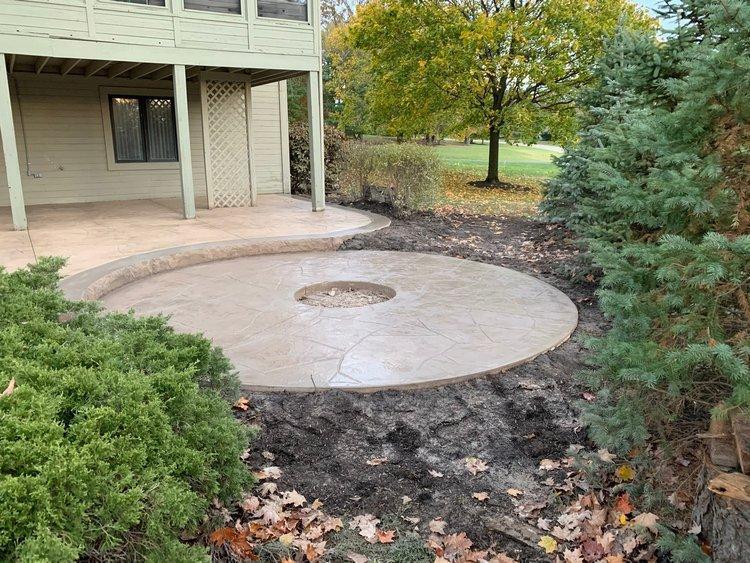
Quick Answer: Exposed aggregate concrete reveals the natural stones and pebbles within the mix, creating a textured, slip-resistant surface that’s both beautiful and functional. It’s ideal for patios, pool decks, and walkways in Columbus because it handles Ohio’s freeze-thaw cycles well, provides excellent traction when wet, and requires minimal maintenance while offering a high-end natural stone appearance.
When you think “concrete patio,” you probably picture plain gray slabs. Functional? Sure. Exciting? Not exactly.
But exposed aggregate changes that equation completely. This decorative concrete finish reveals the natural beauty hiding inside the concrete mix—colorful stones, pebbles, and aggregates that create visual interest and texture you can’t get with standard finishes.
We’ve been installing exposed aggregate patios and pool decks across Columbus and Central Ohio since the 1990s, and it remains one of our most requested decorative options. Homeowners love the combination of natural aesthetics, slip resistance, and durability.
Here’s why exposed aggregate might be perfect for your outdoor space.
What Is Exposed Aggregate Concrete?
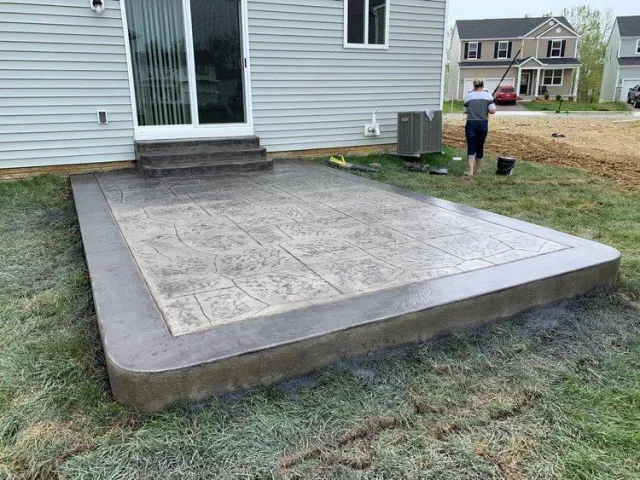
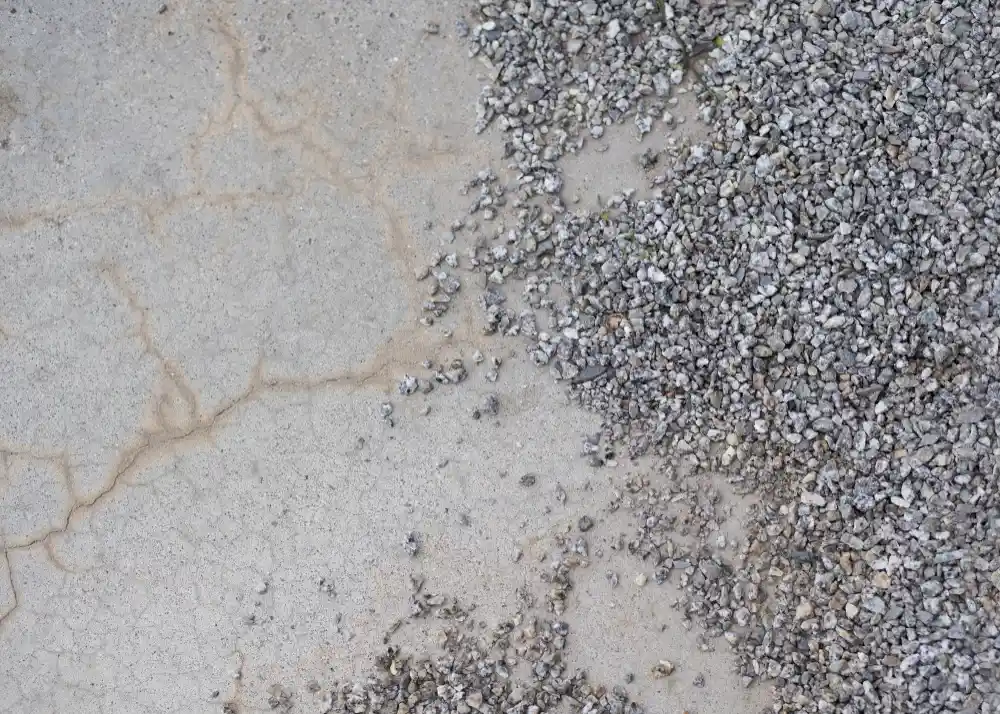
Exposed aggregate is a finishing technique where the top layer of cement paste is removed to reveal the decorative stones and aggregates beneath. The result is a textured surface studded with natural stone—essentially turning the concrete inside-out to showcase its most attractive components.
The process involves pouring concrete with decorative aggregates mixed in, allowing it to set to the right firmness, applying a surface retarder chemical that slows curing of the top layer, and washing and brushing away the surface cement to expose the stones.
Done correctly, you get a surface where the aggregates are exposed but still securely embedded in the concrete—durable, slip-resistant, and visually appealing.
Why Columbus Homeowners Choose Exposed Aggregate
Natural Slip Resistance
This is the number one reason homeowners choose exposed aggregate for pool decks and patios. The textured surface provides excellent traction even when wet—critical for areas around pools or anywhere people walk barefoot.
Standard smooth concrete gets slippery when wet. Exposed aggregate doesn’t. The natural texture of the stones creates grip without being uncomfortably rough on bare feet.
We’ve installed hundreds of pool decks in Dublin, Powell, and across Franklin County, and exposed aggregate is almost always our recommendation for safety-conscious families.
Aesthetic Appeal
The visual interest is undeniable. Instead of monotone gray, you get the natural colors and variations of river rock, granite, quartz, or whatever aggregate was selected for the mix.
Earth tones—tans, browns, grays, with flecks of white, black, or even subtle reds and blues—create a warm, natural appearance that complements landscaping beautifully. It looks high-end without looking fussy or overly designed.
For homeowners creating outdoor living spaces with patios, outdoor kitchens, or entertaining areas, exposed aggregate provides a sophisticated backdrop that works with almost any design style.
Durability in Ohio’s Climate
Ohio’s freeze-thaw cycles are tough on smooth concrete finishes. Surface scaling and deterioration are common problems. Exposed aggregate handles these conditions better because the surface is already textured—minor wear doesn’t show the way it does on smooth finishes.
The aggregates themselves are extremely durable natural stones. Once properly sealed, exposed aggregate surfaces resist moisture infiltration and stand up to decades of Central Ohio weather.
We use air-entrained concrete mixes for all our exposed aggregate projects, which gives the concrete internal protection against freeze-thaw damage. Combined with the durable stone surface, you get a finish that lasts.
Low Maintenance
Exposed aggregate requires less ongoing maintenance than many decorative options. An occasional cleaning with a garden hose or pressure washer, resealing every few years (same as any decorative concrete), and that’s about it. No weeds growing between pavers, no individual stones shifting or settling, and no fading like you’d see with colored concrete or stamped patterns.
Best Applications for Exposed Aggregate
While exposed aggregate can be used almost anywhere, certain applications really showcase its strengths.
Pool Decks
This is where exposed aggregate truly excels. The slip resistance is unmatched, the natural appearance complements outdoor settings, it stays cooler than dark surfaces in summer sun, and it provides comfortable footing for bare feet.
We’ve done pool deck installations throughout New Albany, Gahanna, and Westerville where homeowners specifically chose exposed aggregate over alternatives because of the safety factor.
Patios and Outdoor Living Areas
For entertainment spaces, exposed aggregate creates an upscale outdoor room feel. It pairs beautifully with outdoor kitchens, fire pits, and seating areas.
The texture is comfortable for bare feet but substantial enough that it reads as intentional design rather than unfinished concrete. It works equally well in formal or casual settings.
Walkways and Sidewalks
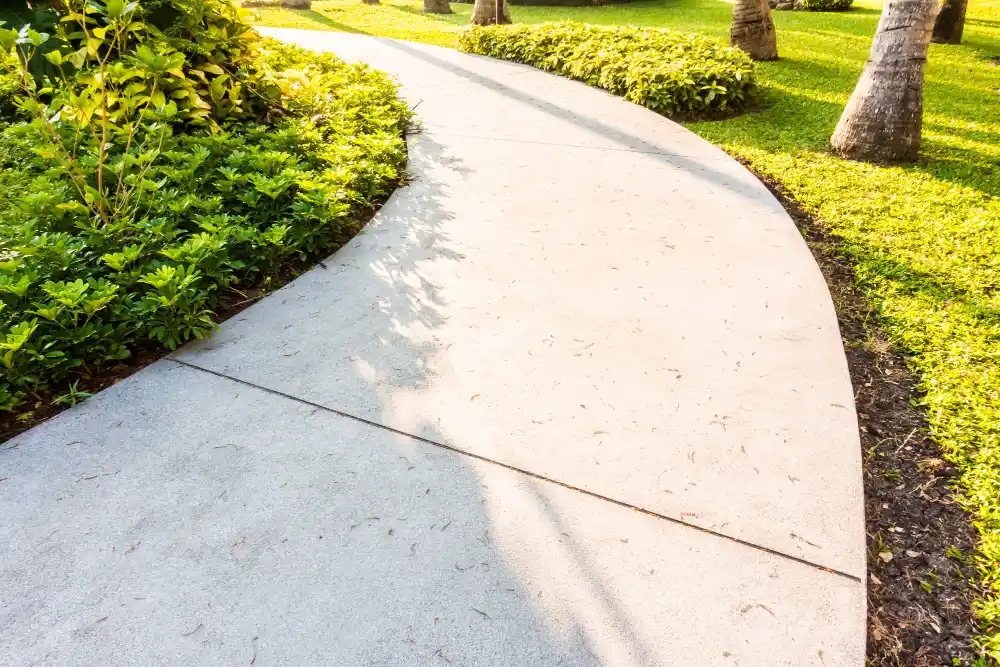
The slip resistance that makes exposed aggregate perfect for pool decks also makes it ideal for walkways—especially curved paths through landscaping or areas that get wet from sprinklers or rain.
The natural stone appearance integrates beautifully with garden settings and provides visual interest that plain concrete walkways lack.
Driveways (Less Common But Possible)
While less common than stamped concrete for driveways, exposed aggregate can work. The texture provides excellent traction in wet or icy conditions. However, the rougher surface can be harder to shovel in winter and may be uncomfortable for kids playing basketball or riding bikes. It’s a consideration worth discussing with your contractor.
Aggregate Options and Customization
The beauty of exposed aggregate is in the variety of stones you can choose.
River Rock
Smooth, rounded stones in earth tones. This is the most common choice and creates a warm, natural appearance. Colors range from tans and browns to grays and whites.
Granite
Angular stones with more color variation—grays, blacks, whites, with flecks of pink, red, or blue depending on the granite source. Creates a more dramatic, contemporary look.
Quartz
Cleaner, more uniform stones that can range from white to gray. Quartz creates a brighter, more reflective surface.
Recycled Glass
For a unique, contemporary look, colored glass aggregates create vibrant color pops. Less common for residential patios but can make a statement in the right setting.
Custom Blends
We can create custom aggregate blends to match your specific vision—combining different stone types, sizes, and colors to achieve exactly the look you want.
Carlos helps homeowners select aggregates that complement their home’s exterior and landscaping. We can show you samples and examples from completed projects in our gallery.
Installation Process and Timing
Exposed aggregate requires skilled execution and proper timing. Get it wrong, and the surface can be weak or uneven.
The Process
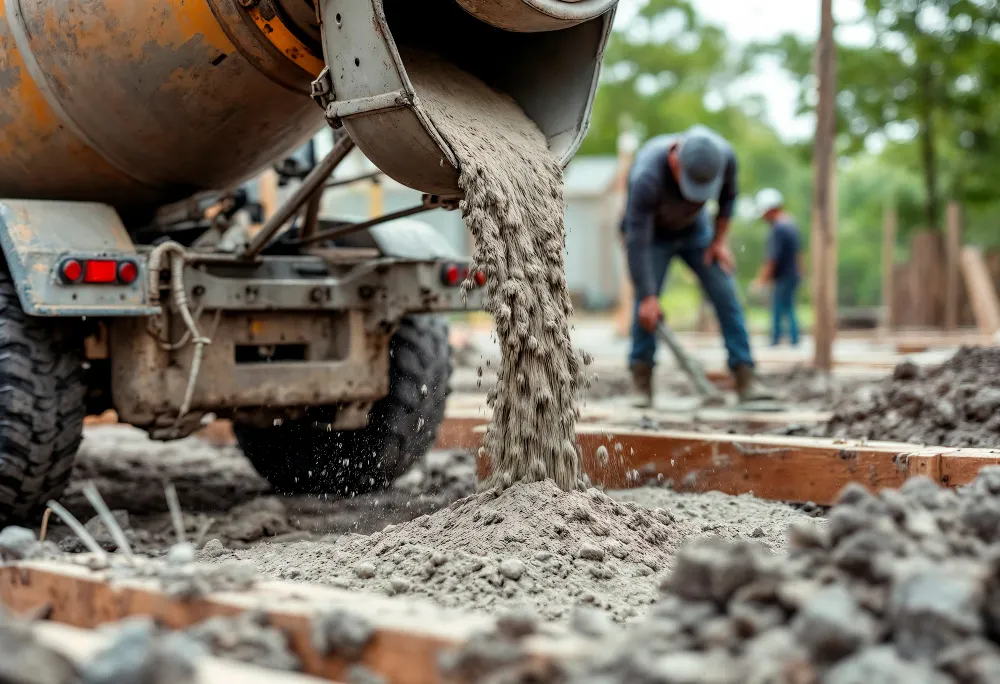
We pour the concrete with your selected aggregates mixed throughout. After the concrete is screeded and floated smooth, we apply a surface retarder chemical to the top layer. This slows the curing of the surface while the concrete beneath hardens normally.
Once the concrete reaches the right firmness, we spray and brush the surface to wash away the top layer of cement paste, revealing the embedded stones. The timing here is critical—too early and you’ll dislodge the aggregates, too late and you won’t be able to expose them properly.
After exposure, the concrete continues curing. We return after several days to apply a quality sealer that protects the surface and enhances the natural stone colors.
Weather Considerations
Temperature and weather matter even more with exposed aggregate than standard concrete. The surface retarder needs time to work, and we need to wash the surface at precisely the right stage of curing.
We won’t attempt exposed aggregate work if rain is in the forecast or if temperatures are too cold or too hot. Spring and fall offer the most reliable conditions in Columbus.
Cost Considerations
Exposed aggregate sits in the middle of the decorative concrete price range—more expensive than standard broom finish, comparable to colored concrete, and typically less expensive than stamped patterns.
What Drives the Cost
The aggregate itself (specialty stones cost more than standard river rock), the labor-intensive finishing process, sealing requirements, and the skill level required all affect pricing.
Value Proposition
For the combination of aesthetics, durability, and slip resistance, exposed aggregate delivers excellent value. It costs less than installing natural stone pavers and requires far less ongoing maintenance.
A properly installed and sealed exposed aggregate patio or pool deck lasts 30+ years. Over that lifespan, the cost per year of use is quite reasonable.
Maintenance and Longevity
Exposed aggregate is one of the most forgiving decorative finishes in terms of maintenance.
Basic Care
Sweep or hose off debris regularly, pressure wash annually or as needed (avoid excessive pressure that could damage sealer), reseal every 2-3 years to protect the surface and enhance color, and address any cracks promptly before water infiltration becomes a problem.
That’s it. No weeding, no re-leveling settled pavers, no replacing individual stones.
Winter Maintenance
Use calcium-based deicers or sand rather than rock salt, the textured surface provides natural traction so you may not need deicers at all, and avoid metal shovels that could scratch the sealed surface.
How Long It Lasts
With proper installation and basic maintenance, exposed aggregate surfaces last 30 to 40 years or more. The aggregates themselves are natural stone—essentially indestructible. The concrete matrix holding them is the same durable mix we use for any quality installation.
We’ve seen exposed aggregate pool decks from the 1990s still looking great in Upper Arlington and Worthington. Longevity isn’t a concern with this finish.
Common Questions and Concerns
Is It Uncomfortable to Walk On Barefoot?
When properly finished, exposed aggregate is textured but not sharp. It provides grip without being uncomfortable. Pool decks are specifically designed for bare feet, so contractors doing this work regularly know how to achieve the right texture.
Poorly executed exposed aggregate can be too rough. This is why working with experienced contractors matters.
Does It Get Hot in the Summer?
Lighter colored aggregates stay cooler than dark surfaces. It’s generally comparable to standard concrete and much cooler than dark asphalt or dark pavers. For pool decks, lighter river rock is typically the coolest option.
Can You Repair Damaged Sections?
Repairing exposed aggregate is more challenging than standard concrete because matching the aggregate type and exposure level is difficult. Minor cracks can be filled, but significant damage often requires cutting out and replacing entire sections. This is another reason proper installation matters—you want to avoid repairs entirely.
Design Considerations
Exposed aggregate works in almost any setting, but certain design choices optimize the results.
Complement Your Landscaping
Choose aggregate colors that harmonize with your landscaping and home exterior. Earth tones work well in most settings. Grays and whites create a more contemporary feel.
Consider the Space’s Purpose
For pool decks and high-traffic areas, prioritize slip resistance—choose slightly larger, more textured aggregates. For entertainment patios where aesthetics matter more, you have more flexibility to prioritize visual appeal.
Combine with Other Finishes
Exposed aggregate pairs beautifully with other concrete finishes. Consider borders or accent areas in colored concrete, stamped patterns for contrast, or smooth troweled sections to define different functional zones.
We help homeowners think through these design decisions during our initial consultation. Every property is unique, and the right design depends on your specific space, style preferences, and how you’ll use the area.
Why Work with CR Concrete Construction
We’ve been installing exposed aggregate patios, pool decks, and outdoor living spaces across Columbus since 1991. That’s 30+ years of refined technique and hundreds of completed projects.
Carlos personally oversees the finishing process on every exposed aggregate project. The timing has to be perfect, and there’s no substitute for experience.
We use quality aggregates, air-entrained concrete mixes designed for Ohio’s climate, proper sealing to protect your investment, and skilled craftsmen who know how to achieve consistent, beautiful results.
Our work is backed by our reputation. Check our gallery to see what we’ve created for Columbus area homeowners, or ask for references from recent clients.
Frequently Asked Questions
How soon can we use a new exposed aggregate patio?
You can walk on it after 24-48 hours, but we recommend waiting 7-10 days before placing heavy furniture or using the space heavily. This allows the concrete to cure properly and ensures long-term durability.
Does exposed aggregate work for shaded areas?
Yes, it works beautifully in any location. The slip resistance is actually beneficial in shaded areas that might stay damp longer. Just ensure proper drainage to avoid standing water.
Can you add color to exposed aggregate?
Yes, you can use colored aggregates, integral color in the concrete mix, or stains applied after exposure for additional color variation. We can create custom color combinations to match your vision.
Ready to create a beautiful, slip-resistant patio or pool deck? Contact CR Concrete Construction for a free consultation, or call Carlos at (614) 679-4338 to discuss your project.