
A concrete patio in Dublin adds durable, low-maintenance outdoor living space that handles Central Ohio winters well and can be finished in styles ranging from clean and simple to fully custom decorative work. Dublin properties tend toward higher design expectations and larger outdoor footprints – and concrete handles both well when the planning and installation are done correctly. Here’s what Dublin homeowners should know before starting the process.
Why Concrete Works Well for Dublin Patios
Dublin has some of the most actively maintained residential properties in the Columbus area. Homeowners here invest in outdoor spaces that look intentional and hold up over time – and concrete delivers on both requirements when installed properly.
As a monolithic surface, concrete doesn’t shift or settle the way individual paver units can in Central Ohio’s clay-heavy soil. It can be finished in a wide range of styles – stamped patterns that replicate natural stone, exposed aggregate with a natural textured look, or custom colored finishes that complement Dublin’s mix of traditional and contemporary home architecture. And it lasts. A properly installed concrete patio in Dublin can serve the property for 25-40 years with routine sealing and basic maintenance.
Dublin lots also tend to give homeowners room to think bigger about outdoor space. We regularly work on Dublin projects where the patio is part of a larger outdoor living plan – connected to an outdoor kitchen, a fire pit area, retaining walls, or walkways – all designed and installed as a cohesive project rather than added piecemeal over the years.
Patio Finish Options for Dublin Homes
The finish is where a concrete patio becomes distinctly yours. Through our decorative concrete services, here’s what’s available for Dublin patio projects:
Stamped Concrete
Patterns pressed into the concrete before it cures can replicate natural flagstone, slate, cobblestone, or brick with real visual depth. Combined with integral base color, a color hardener, and an antiquing release agent, stamped concrete produces a two-toned finish that looks premium and holds its character for decades. Dublin homeowners with stone or brick exteriors often choose ashlar slate or random flagstone patterns in warm earth tones – the combination integrates naturally with both the home’s materials and surrounding landscaping.
Exposed Aggregate
The top layer of cement paste is washed away before it fully cures, exposing the natural stone aggregate below. The result is a textured, natural-looking surface with built-in slip resistance and a character that ages well rather than looking dated. Aggregate type and color can be selected to coordinate with the home’s exterior – a detail that makes a meaningful difference in the finished result on Dublin’s more architecturally detailed properties.
Colored Concrete
Color can be incorporated through integral pigments mixed into the pour, surface-applied color hardeners, or post-cure stains. Warm buff and tan tones are popular in Dublin for their natural integration with brick, stone, and mature landscaping – and for staying cooler underfoot on sunny summer afternoons than darker concrete tones.
Broom-Finished Concrete
Clean, slip-resistant, and the most cost-effective starting point. A quality broom finish ages well and works well on Dublin properties where the landscaping and outdoor furniture are the design focal points rather than the patio surface itself. It’s also a solid foundation for future decorative upgrades if priorities change.
Sizing the Patio for How You Actually Use It
The most consistent feedback we hear from homeowners after a patio is installed – in Dublin and across Columbus – is that they wish they’d gone bigger. Furniture, a grill, guests, and comfortable circulation space add up faster than most people anticipate when the project is still a sketch on paper.
A dining set with four chairs needs at least 12 by 14 feet of patio to feel functional rather than cramped. Add a grill station and the footprint grows. Add lounge seating and it grows again. Dublin homeowners who entertain regularly should think in terms of the full furniture layout before finalizing dimensions – not just the square footage of the slab itself.
We walk through intended use – furniture layout, traffic flow, connection to the house and yard – as part of the free estimate and planning conversation. Getting this right before the pour is far less expensive than expanding the patio two years later.
What a Proper Installation Involves
The visible finish gets the attention, but the work underneath it determines whether that finish holds up for 30 years or starts deteriorating in five.
Excavation and Drainage Grading
The patio area is excavated to the correct depth and graded to direct water away from the house and off the surface. Dublin’s clay-heavy soil doesn’t drain naturally – water that isn’t actively directed away from the slab sits under it and accelerates freeze-thaw damage and settling over time. Drainage grading is one of the first steps and one of the most consequential for long-term performance.
Compacted Gravel Base
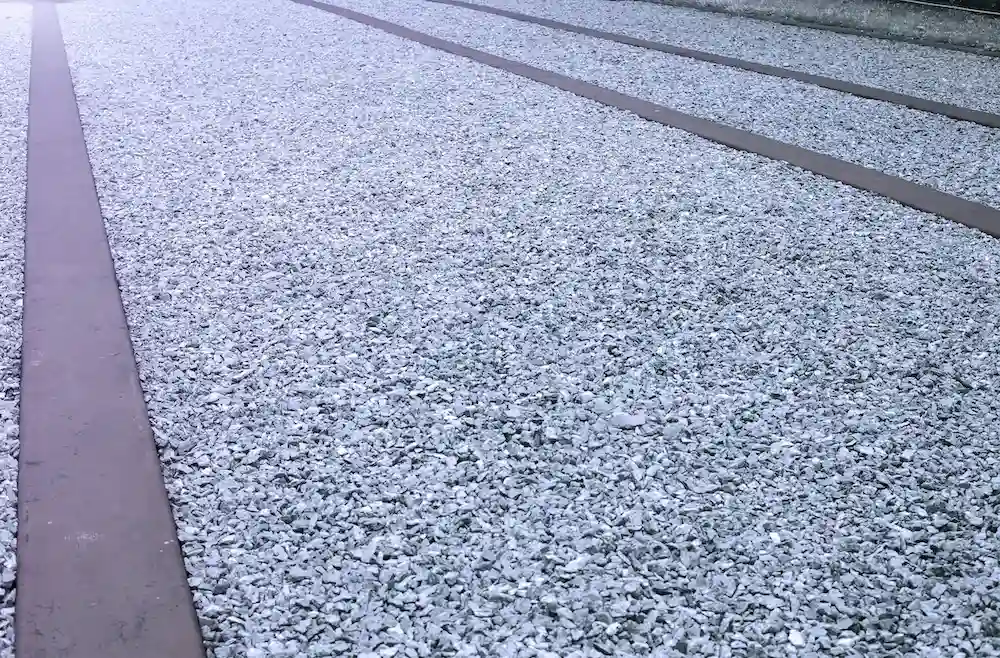
A compacted base of crushed stone goes in before any concrete. This provides drainage and a stable, consistent foundation that resists seasonal ground movement. Mechanical compaction – not hand tamping – is required to achieve the density that holds up under load through Central Ohio’s climate. This is the step most often skipped or undersized on low-bid installations.
Reinforcement and Control Joints
Wire mesh or rebar is placed inside the forms before the pour. Control joints are planned at regular intervals to guide any cracking to straight, predictable lines rather than letting it form randomly. Both steps are standard on every project we install – not optional upgrades.
Air-Entrained Concrete Mix
Every exterior slab we pour in Dublin and throughout Central Ohio uses air-entrained concrete. The microscopic air voids in the mix protect the slab through freeze-thaw cycles by giving water room to expand inside the concrete rather than forcing that expansion through the surface. This is non-negotiable for outdoor concrete in our climate.
Sealing
A quality sealer is applied after the slab cures. It protects the surface from water infiltration, staining, and winter salt damage – and enhances the color and texture of decorative finishes. We reseal every 2-3 years as part of the maintenance routine we recommend to all Dublin homeowners.
Connecting the Patio to the Rest of Your Dublin Outdoor Space
A standalone patio slab serves its function, but the outdoor projects that get used most – and that add the most property value – are the ones where everything connects thoughtfully. Through our hardscaping and outdoor living services, we handle patio installations as part of complete outdoor projects.
Some combinations that work particularly well on Dublin properties: a stamped patio connected to the house by a matching concrete walkway, with a low decorative retaining wall defining the far edge and separating the patio from the lawn. Or a larger patio footprint with a designated outdoor kitchen zone and a fire pit seating area, with concrete paths between each. Designing these elements together from the start creates a cohesive result and avoids the awkward transitions that come from adding pieces separately over the years.
For homeowners who already have a driveway project underway or planned, our Dublin driveway installation guide covers that side of the project in full detail.
Permits for Concrete Patios in Dublin
Whether a patio requires a permit in Dublin depends on its size, proximity to property lines, and whether it attaches to the house. The City of Dublin has its own permitting requirements separate from Columbus proper. We handle permit research and applications as part of every project – if a permit is required, we pull it before work starts. This protects you at resale and ensures the installation is documented correctly.
What Does a Concrete Patio Cost in Dublin?
Size, finish type, and site conditions drive the final number. A plain broom-finished patio costs less per square foot than a fully stamped and colored installation. Significant grading, difficult equipment access, or demolition of an existing surface all affect the scope. We provide free, itemized estimates for all patio projects in Dublin and throughout Central Ohio. No obligation, no pressure – just a clear number before any commitment is made.
Frequently Asked Questions
How long does a concrete patio installation take in Dublin?
Most residential patio installations run 2-4 days from start to finish depending on size and finish type. Foot traffic is fine within 24-48 hours after the pour. Normal patio use and furniture can go on within a week. Full cure to maximum strength takes 28 days.
Can I have a patio and driveway installed in the same project?
Yes – and it’s often more cost-effective to combine projects than to schedule them separately. A single mobilization covers both scopes, which reduces setup costs. If you’re planning both, discuss it during the estimate so we can coordinate the project plan and material orders together.
How does stamped concrete hold up on a Dublin patio over time?
Very well when properly installed and maintained. The key factors are air-entrained mix, proper base prep, and regular resealing on schedule. Stamped concrete that gets resealed every 2-3 years and never sees rock salt in winter holds its color and pattern definition for 15-25 years in Central Ohio’s climate.
Ready to plan your Dublin patio? Contact CR Concrete Construction for a free estimate, or call us at (614) 679-4338. We’ve been serving Dublin and the greater Columbus area for over 30 years.