Hot Tub Foundation Guide: Why Your Investment Needs a Proper Concrete Base
Picture yourself soaking in your backyard hot tub on a freezing January night, snowflakes drifting down while the warm water melts away your stress. Sounds perfect, right? But that dream can quickly turn into a nightmare if your hot tub’s foundation isn’t built correctly—cracked decks, uneven settling, and thousands in damage are all too common.
If you’re planning to install a hot tub at your Columbus home, the foundation is one decision you absolutely can’t afford to mess up. Sure, it’s tempting to just plop it on your existing deck or throw down some gravel, but those shortcuts lead to voided warranties, safety hazards, and expensive repairs down the line.
At CR Concrete Construction, we’ve been pouring hot tub foundations since 1991. After three decades working with Central Ohio’s tricky soil and wild weather swings, we’ve seen what works and what fails spectacularly.
The Weight Problem Nobody Talks About
Here’s something that shocks most first-time hot tub buyers: that gorgeous 6-person spa weighs way more than you think.
Empty, your hot tub weighs 400-900 pounds depending on the model. Fill it with water? Add another 3,000-4,000 pounds. Now throw in six adults relaxing after work, and you’re easily looking at 5,500-6,000 pounds total. That’s like parking three cars in an 8×8 foot spot in your backyard.
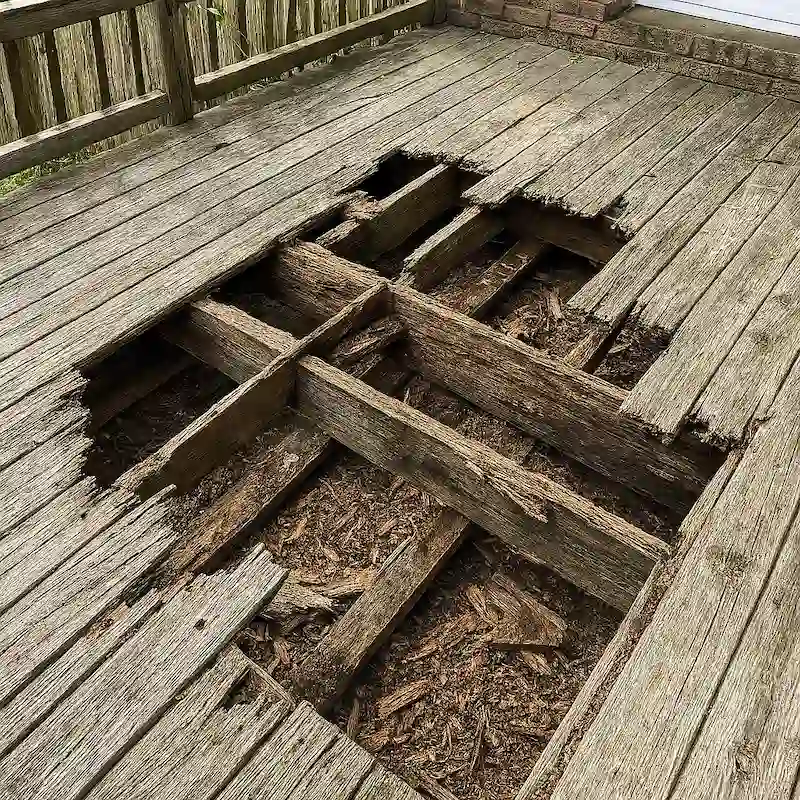
Your typical wood deck is built to handle 40-50 pounds per square foot. See the problem? Even brand-new decks built to code start showing stress when you concentrate that much weight in one spot. Over time, you’re looking at accelerated wear, structural damage, or worse—complete collapse.
Why Manufacturers Insist on Concrete
Most hot tub manufacturers flat-out require a level, stable concrete foundation in their warranty paperwork. This isn’t a suggestion. Mess it up, and you’ve voided your coverage.
Here’s why they’re so picky about concrete:
Perfect Leveling
Hot tubs need to be level within 1-2 inches across the entire base. Even small angles stress the shell, crack the tub, or damage the plumbing and jets. Concrete gives you precision that gravel, pavers, or wood just can’t match.
Drainage Done Right
Standing water under your hot tub causes mold, moisture damage, and settling. A proper concrete pad includes slight grading to channel water away while keeping the tub itself perfectly level.
Freeze-Thaw Survival
Central Ohio winters are brutal. When moisture gets into gravel or wood, the constant freezing and thawing causes shifting, cracking, and settling. Properly reinforced concrete handles these cycles year after year without breaking a sweat.
Decades of Stability
Hot tubs last 15-20 years. Your foundation needs to keep up. Gravel settles, pavers shift, wood rots—but quality concrete stays rock-solid for decades with virtually zero maintenance.
Comparing Your Foundation Options
Let’s break down how different approaches actually perform:
Wood Decks
They look nice, but weight is just the beginning of their problems. Wood rots in the humid environment around hot tubs, even pressure-treated lumber. Repairs get complicated and expensive with a hot tub sitting on top. Plus, putting a hot tub on a deck usually voids both warranties—the tub’s and the deck’s.
Gravel or Pavers
Cheap upfront, costly later. Gravel settles unevenly over time, especially in Columbus’s clay soil. Pavers shift around, creating unlevel surfaces that crack hot tub shells. Neither option gives you the solid support manufacturers require, so there goes your warranty again.
Straight on the Ground
This is asking for trouble. Soil compresses under weight, causing settling and leveling nightmares. Drainage becomes a mess. Columbus’s clay soil expands when wet and shrinks when dry, meaning constant movement under your spa.
Concrete Slabs
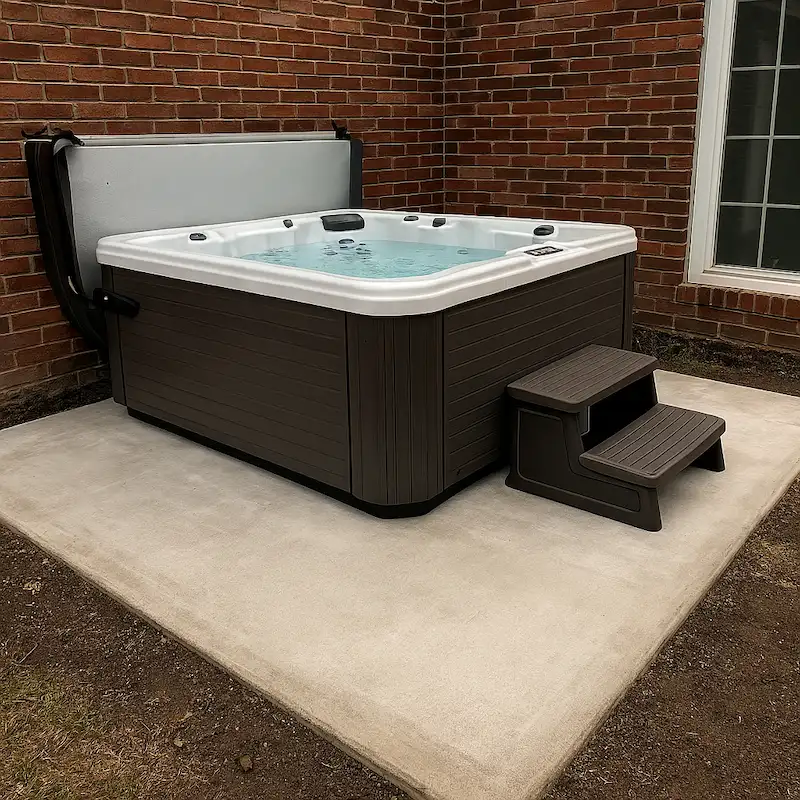
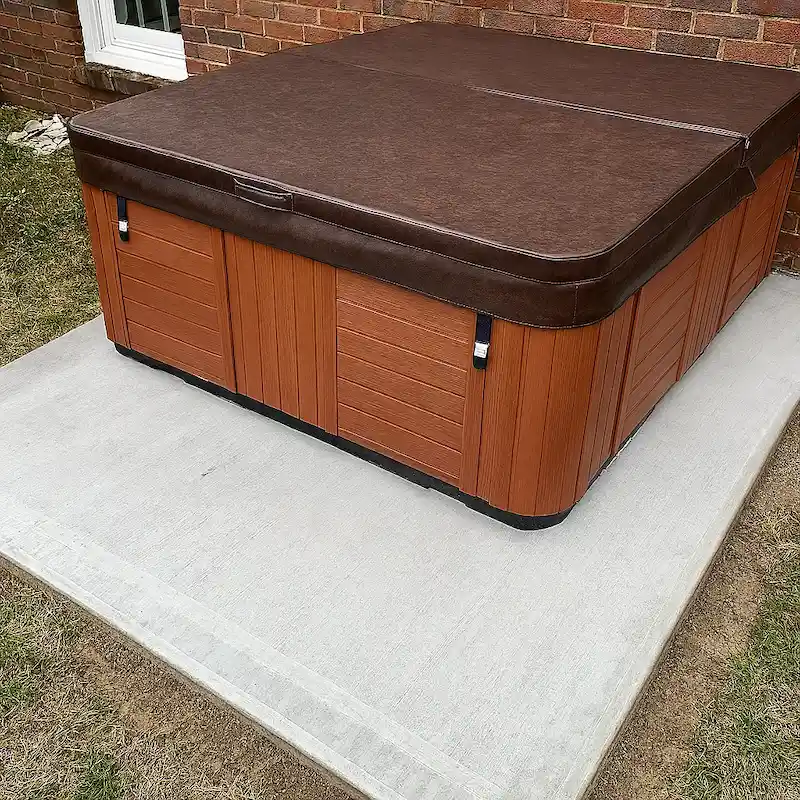
A properly designed concrete pad solves every single problem. It supports the weight without flinching, stays level for decades, handles moisture with proper drainage, survives freeze-thaw cycles that destroy other options, keeps your warranty valid, and needs basically no maintenance.
What Makes a Proper Hot Tub Pad
Not all concrete is created equal. Here’s what your hot tub foundation actually needs:
Thickness and Strength
Minimum 4 inches thick, but we usually recommend 6 inches for bigger spas. The concrete must have reinforcement—rebar or wire mesh—to prevent cracking under weight and handle frost heave.
Size Matters
The pad should extend at least 12 inches past your hot tub on all sides. This gives you room to step in and out safely, access for maintenance, space for electrical components, and protection from ground moisture creeping under the tub.
Base Prep
This is where 30+ years of Columbus experience really counts. We excavate 8-10 inches below grade and install 4-6 inches of compacted crushed stone. This provides drainage and a stable base that won’t settle—engineered specifically for Central Ohio’s soil and moisture patterns.
Smart Grading
Your pad needs a slight slope (¼ inch per foot) to move water away from the hot tub. But the top surface where the spa sits? Perfectly level. Balancing both takes precision.
Finish Work
We typically recommend a light broom finish rather than smooth troweling. It’s slip-resistant when wet, comfortable on bare feet, and gives you traction during icy months.
Columbus Weather Changes Everything
Central Ohio throws some serious challenges at outdoor installations—big temperature swings, nasty freeze-thaw cycles, high humidity, and clay soil that expands and contracts with moisture.
These conditions make proper installation critical. We’ve spent three decades figuring out exactly what works here. We adjust concrete mixes for local conditions, time our pours based on temperature and humidity, and build in the reinforcement needed to handle freeze-thaw punishment.
Why Winter Installation Makes Sense
Most people think concrete work stops in winter. Actually, there’s a smart reason to plan your hot tub pad during cooler months.
Better Curing
Concrete cures best between 50-70°F. Columbus fall and early winter often hit that sweet spot. The concrete gains strength more reliably in cool weather versus summer heat, which can cause surface cracking.
Beat the Spring Rush
Planning a spring hot tub delivery? Get the pad poured in late winter so everything’s ready when installation season hits. You’ll avoid the scheduling crunch when everyone wants work done at once.
Workable Ground
We can’t pour on frozen ground, but Columbus usually stays workable well into December and picks back up in late February or March. We watch the forecasts and schedule during optimal windows.
Perfect Timing
A concrete pad needs 7-10 days before you can set a hot tub on it (full cure takes 28 days). Plan ahead in winter, and your pad is completely cured and ready whenever you want to install.
Common Mistakes That Cost You Later
We’ve fixed a lot of foundation problems over the years. Here are the mistakes we see most:
Too Small: Don’t just match the hot tub’s size. That extra space around the edges is essential for access, maintenance, and keeping moisture away. Cutting corners here creates headaches later.
Skipping Reinforcement: Concrete without rebar or wire mesh will crack under concentrated weight. Reinforcement isn’t optional—it’s what keeps your pad strong and intact.
Ignoring Drainage: We’ve seen too many hot tubs sitting in puddles. Columbus gets 40+ inches of rain annually. Poor drainage causes foundation erosion, ice hazards in winter, and ongoing moisture problems.
Rushed Base Prep: What happens before the pour often matters more than the pour itself. Proper excavation, compacted gravel base, and attention to soil conditions prevent future settling and shifting.
Forgetting Utilities: Think about electrical conduit and plumbing before you pour. Adding utilities after the fact is expensive and might damage your slab.
Permit Problems: Columbus area municipalities have specific hot tub requirements. We handle permitting as part of our service so your project stays compliant from day one.
What It Actually Costs
A professionally installed hot tub concrete pad typically runs $1,200-$2,500 for Columbus homes, depending on size, site access, and prep work needed. That might sound like a lot until you consider the alternatives.
Reinforcing or rebuilding a deck to support hot tub weight? $5,000-$10,000. Emergency repairs after foundation failure? $3,000-$7,000, plus the cost of re-leveling or replacing a damaged hot tub. A voided warranty could cost you the entire price of your spa if something goes wrong.
The concrete pad is a one-time investment protecting a hot tub purchase that typically costs $5,000-$15,000. It’s also a permanent property improvement that stays useful even if you eventually upgrade or remove the spa.
Why Local Experience Actually Matters
Central Ohio is different from other places. Clay-heavy soil, dramatic temperature swings, and specific building codes mean you need contractors who really understand the area. We’ve been serving Columbus since 1991—over 30 years of hands-on experience with local conditions.
When you hire us, you’re not just getting concrete pourers—you’re partnering with problem solvers who understand your property’s unique challenges before we even break ground.
Ready to Get Started?
If you’re planning a hot tub installation this year, now’s the perfect time to get your foundation scheduled. Whether you’re eyeing spring delivery or preparing for next winter’s backyard retreat, we’ll make sure your hot tub has the solid, level, long-lasting foundation it needs.
Here’s what we provide:
- Free consultations and detailed estimates
- Expert site evaluation for drainage, access, and utilities
- Professional installation with proper thickness, reinforcement, and finishing
- Full compliance with Columbus building codes and permits
- Peace of mind from 30+ years of proven local expertise
Don’t risk your hot tub investment on a shaky foundation. Contact CR Concrete Construction today at (614) 679-4338 or visit cr-concrete.net to schedule your consultation.
A quality hot tub deserves a quality foundation. We’ll make sure yours is done right the first time.