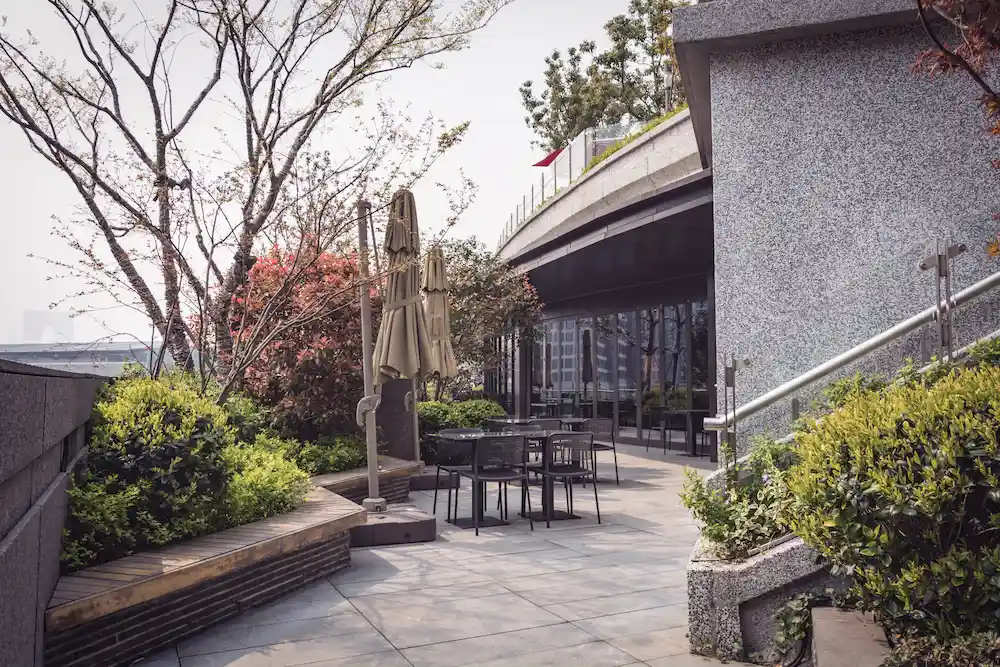

Colored concrete gives Columbus homeowners a way to move beyond standard gray without the cost of natural stone or pavers. Color can be added to driveways, patios, walkways, and pool decks through several different methods – each with its own appearance, durability profile, and price point. Understanding how the methods differ helps you choose the right approach for your project and set realistic expectations for how the finished surface will look and hold up over time.
Why Homeowners Choose Colored Concrete
Plain gray concrete is functional, but it doesn’t do much for curb appeal or backyard character. Color changes that. A warm buff driveway reads entirely differently against a brick exterior than a gray one does. A terracotta-toned patio feels like a deliberate design choice rather than a default.
The practical case for colored concrete is just as strong as the aesthetic one. The color options available today are stable, UV-resistant, and designed specifically for exterior concrete applications in climates like Central Ohio’s. When properly installed and maintained, colored concrete holds its appearance for decades – not just a few seasons.
Cost is another reason colored concrete makes sense for many Columbus homeowners. Natural stone and high-end pavers in complementary colors cost significantly more than colored concrete per square foot. The look is comparable. The performance is often better, since colored concrete is a single stable slab rather than individual units that can shift over time in Central Ohio’s clay soil.
The Three Main Methods for Coloring Concrete
Each approach works differently, looks different, and suits different project types. Here’s how they compare:
Integral Color
Pigment is mixed directly into the concrete batch before it’s poured. The color runs all the way through the slab – not just on the surface. This is the most durable coloring method because if the surface chips or wears, the color continues beneath it rather than disappearing.
Integral color produces a consistent, even tone throughout the slab. The range of available colors is wide – earth tones, warm grays, blues, greens, and custom blends. It’s commonly used on driveways and large patios where a consistent base color across the entire surface is the goal.
One characteristic of integral color worth knowing: the finished color is typically lighter than the sample, because as the concrete dries and cures it lightens from its wet appearance. We show homeowners cured samples – not wet concrete – when discussing color selections so the expectation matches the result.
Color Hardener
A dry shake product that’s broadcast onto the surface of freshly placed concrete and worked in before stamping or finishing. Color hardener produces rich, dense color at the surface and simultaneously densifies the top layer of the slab, making it harder and more wear-resistant than plain concrete.
This is the method used most often on stamped concrete applications, where vivid, consistent color across a textured surface is the goal. The color intensity achievable with hardener is generally deeper and more saturated than integral color. It’s also more susceptible to surface wear over decades, since the color concentration is in the surface layer rather than throughout the slab.
Concrete Stains and Dyes
Applied to existing or newly cured concrete, stains and dyes penetrate the surface to add color without adding a film or coating on top. There are two main types:
Acid stains react chemically with minerals in the concrete to produce variegated, mottled color effects that look more organic and less uniform than other methods. No two acid-stained surfaces look exactly the same – the variation is part of the aesthetic. Earth tones – browns, tans, and rust shades – are the most achievable with acid stain.
Water-based stains and dyes offer a broader color range and more consistent results than acid stains. They penetrate the surface and are sealed over to protect the color. These are often used on interior concrete floors but work on exterior surfaces as well when properly sealed for outdoor conditions.
Staining is a good option when working with existing concrete that’s structurally sound – it refreshes the appearance without requiring demolition and replacement. It’s also used to add character and variation to new installations as a finishing step.
Combining Color with Other Decorative Techniques
Color rarely works alone in decorative concrete. The most visually compelling results come from combining color methods with texture and pattern. Through our decorative concrete services, some combinations we use regularly in Columbus:
Integral base color plus antiquing release agent: The base color provides overall tone, and the release agent – applied before stamping – adds a contrasting secondary tone in the recesses of the pattern. This two-tone effect is what gives stamped concrete its realistic depth and makes patterns look genuinely three-dimensional rather than flat.
Color hardener plus border accent: A field of one color hardener tone surrounded by a border in a contrasting color, often in a different pattern. This is a cost-effective way to add design interest – the border gets the visual attention while the field stays simpler and more economical.
Exposed aggregate with integral color: Colored concrete can be used as the base for exposed aggregate finishes. The aggregate color and the base concrete color work together in the finished surface – coordination between the two is part of what we plan during the design conversation.
How Color Holds Up in Columbus Weather
This is the most practical question homeowners ask about colored concrete, and it deserves a direct answer. Properly specified and installed colored concrete holds its appearance well in Central Ohio’s climate – but two factors determine long-term performance more than anything else: the quality of the coloring method and the maintenance of the sealer.
UV exposure is the main cause of color fading in exterior concrete. Quality pigments used in integral color and color hardener today include UV stabilizers that significantly slow fading. Concrete that was colored with lower-grade pigments 15-20 years ago faded more quickly than what’s available now.
Sealing is the other half of the equation. A quality sealer protects the color layer from UV exposure, water infiltration, and staining. Exterior colored concrete in Columbus should be resealed every 2-3 years. Concrete that never gets resealed – or that gets resealed with the wrong product – loses color faster than concrete on a consistent maintenance schedule.
Color Selection: Getting It Right the First Time
Color selection is one area where taking extra time pays off. Concrete color looks different wet versus dry, in direct sun versus shade, and next to different exterior materials. A color that looks perfect in a brochure may read differently on your property.
During our estimate and planning process for colored concrete projects in Columbus, we walk through cured color samples in the actual light conditions of the project site when possible. We also discuss how the color interacts with the home’s exterior – brick tone, trim color, roofline – and with any existing hardscaping or landscaping materials. Getting this right before the pour is important because color isn’t easily changed after the fact.
Colored Concrete Maintenance in Central Ohio
Colored concrete is low maintenance, but not no maintenance. Here’s what keeps it looking good long-term in Columbus:
Reseal on a 2-3 year schedule, or when water stops beading on the surface. Clean with a pH-neutral concrete cleaner – avoid harsh acids or bleach-based products that strip sealers and can affect surface color. In winter, skip rock salt on colored surfaces – salt accelerates surface deterioration and can cause uneven color loss on decorative finishes. Sand is a safer traction alternative. Rinse salt residue off in early spring promptly rather than letting it sit through the thaw.
With this routine, a well-installed colored concrete surface in Columbus can hold its appearance for 20-30 years.
Where Colored Concrete Works Well in Columbus
Colored concrete is appropriate for virtually any exterior concrete application. The most common projects we handle in Columbus and surrounding communities:
Driveways with integral color or color hardener provide a consistent, elevated look that improves curb appeal significantly over standard gray. Patios with stamped patterns and complementary coloring create outdoor living spaces that feel custom and intentional. Walkways and entry approaches in a color that ties to the home’s exterior materials create a polished, cohesive first impression. Pool decks in lighter colors that stay cooler underfoot in summer sun while looking clean and resort-adjacent.
Any of these can be paired with other elements through our hardscaping services – retaining walls, outdoor kitchens, fire pits – to create a fully coordinated outdoor space.
Frequently Asked Questions
Can existing gray concrete be colored?
Yes – concrete stains and dyes can be applied to existing concrete that’s structurally sound. The surface needs to be clean, free of sealers that would block penetration, and in good overall condition. Staining works well on existing concrete that looks dated but isn’t failing structurally. It won’t hide major cracks or surface damage – those need to be addressed first.
Is colored concrete more expensive than plain concrete?
It depends on the method. Integral color adds a moderate cost to a standard installation. Color hardener on a stamped project is priced as part of the overall stamped concrete cost rather than as a separate line item. Acid staining an existing surface is typically the most affordable way to add color. We break down costs clearly during the estimate process so you can compare options side by side.
Will the color match exactly what I see in samples?
Samples give a reliable indication of tone and character, but concrete color varies based on mix water content, aggregate color, curing conditions, and application technique. We show cured samples rather than wet concrete, and we set clear expectations about the natural variation that’s part of working with a real material. Slight variation between sample and finished product is normal and expected – dramatic differences are not.
Interested in colored concrete for your Columbus project? Contact CR Concrete Construction for a free estimate and color consultation, or call us at (614) 679-4338. We serve Columbus and surrounding Central Ohio communities.