Quick Answer:
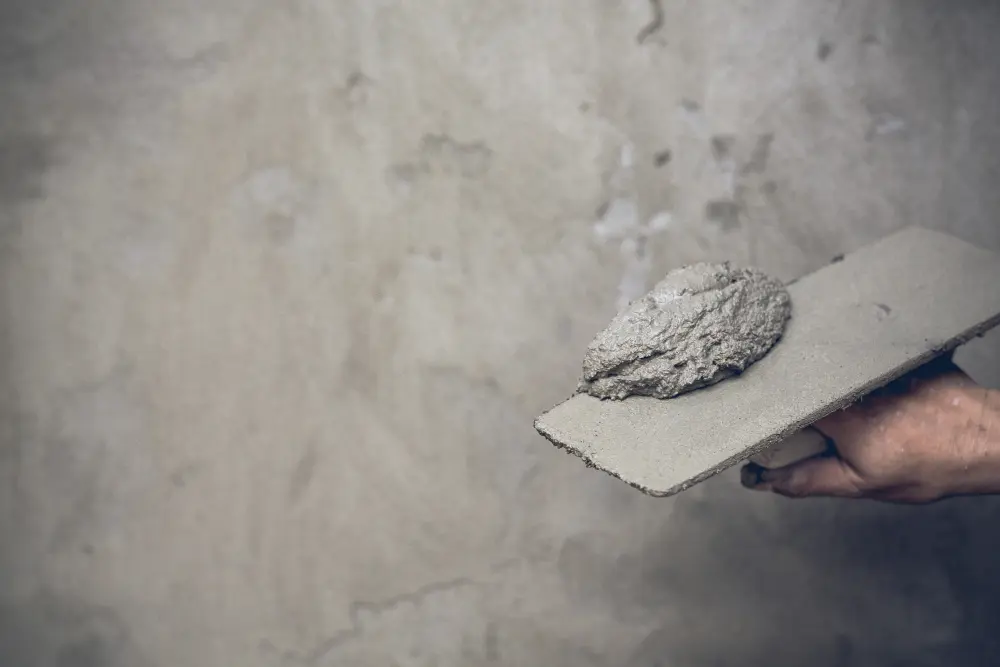
Proper concrete patching is essential because temporary fixes only mask deeper problems, allowing moisture infiltration and structural damage to worsen over time. Professional concrete repair from experienced contractors like CR Concrete addresses the root causes of deterioration, using quality materials and proven techniques that restore structural integrity and extend the lifespan of your concrete surfaces. Investing in proper patching now saves property owners in Columbus, Ohio from costly full replacements down the road.
When you notice cracks spreading across your driveway or chunks of concrete flaking off your sidewalk, the temptation to grab a quick-fix product from the hardware store can be strong. After all, these Band-Aid solutions promise easy application and instant results. However, what many homeowners and property managers don’t realize is that these temporary patches often create more problems than they solve. Understanding why proper concrete patching matters can save you thousands of dollars and protect your property’s structural integrity for years to come.
Concrete surfaces endure constant stress from freeze-thaw cycles, moisture penetration, ground movement, and daily wear. Without professional intervention, minor surface damage quickly evolves into major structural issues. That’s where experienced concrete contractors make all the difference—they don’t just cover up the problem; they eliminate it at its source and restore your concrete to lasting stability.
Understanding Concrete Damage and Its Causes
Concrete may seem indestructible, but it’s actually a porous material vulnerable to various forms of deterioration. In Columbus, Ohio, our climate presents particular challenges with temperature fluctuations causing expansion and contraction throughout the year. When water seeps into tiny cracks and freezes, it expands with tremendous force, creating what’s known as spalling—that characteristic flaking and pitting you see on damaged concrete surfaces.
Beyond weather-related damage, ground settling and shifting can create stress points that manifest as cracks. Heavy loads, tree root growth, and poor drainage also contribute to concrete failure. Understanding the difference between surface-level cosmetic wear and deeper structural issues is crucial. Surface damage might appear as minor scaling or small cracks, while structural problems often present as wide cracks that extend through the entire slab thickness or cause noticeable height differences between concrete sections.
The causes of concrete cracks typically fall into several categories: shrinkage during the curing process, overloading beyond the slab’s capacity, subgrade settlement, or corrosion of embedded reinforcement. Each cause requires a different repair approach, which is why professional assessment is so valuable.
Common Signs You Need Concrete Repair
Recognizing concrete deterioration signs early can prevent small issues from becoming major expenses. Visible cracks that are spreading or widening indicate active movement and stress. If you notice cracks growing from a hairline to quarter-inch width or larger, your concrete is telling you it needs attention.
Uneven slabs create trip hazards and indicate that the ground beneath has shifted or eroded. When you see pooling water on previously level surfaces, this unevenness is directing moisture where it can cause further damage. Chipping, scaling, or exposed aggregate on the surface suggests the concrete matrix is breaking down, often due to improper mix design, inadequate curing, or exposure to deicing chemicals. These concrete surface issues only worsen with time, making early intervention critical.
The Problem with Quick Fixes and DIY Patching
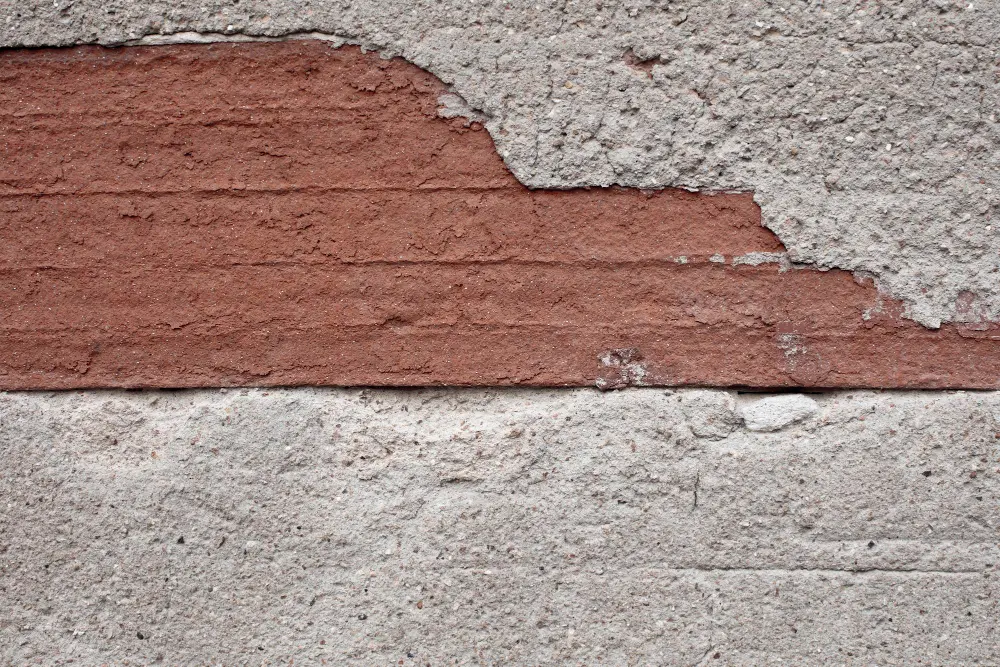
The home improvement aisle offers numerous products promising easy concrete repair, but these temporary solutions rarely address the underlying problems. Most DIY concrete repair products are designed for cosmetic purposes only—they fill the visible gap but don’t bond properly to the existing concrete or address moisture issues beneath the surface.
Poor concrete patching can actually accelerate deterioration by trapping moisture against the original concrete. When a surface patch prevents water from evaporating naturally, that moisture works its way deeper into the slab, causing internal damage you can’t see. During freeze-thaw cycles, this trapped water expands and contracts, breaking the bond between the patch and the original concrete while creating new cracks around the repair area.
The cost implications of repeated short-term fixes add up quickly. A homeowner might spend $50 on patching a compound every spring for five years, totaling $250, only to face a complete section replacement costing thousands because the underlying damage was never properly addressed. Professional repairs cost more upfront but eliminate the cycle of recurring failures. If you’re considering driveway replacement in Columbus, it’s often because improper patching allowed minor damage to spread beyond repair.
Hidden Costs of Ignoring Proper Repair
Neglecting proper concrete repair carries consequences beyond aesthetics. Structural instability develops as cracks allow water to reach and erode the subbase—the compacted material supporting your concrete. Once this foundation compromises, entire sections can settle unevenly or collapse.
Property value suffers when potential buyers see damaged concrete surfaces. Cracked driveways and deteriorating walkways signal deferred maintenance and raise concerns about what other problems might be lurking. Future repair costs multiply exponentially when small cracks become slab failures requiring complete removal and concrete installation replacement. What might have been a few hundred dollars in professional patching becomes several thousand in full replacement.
What Proper Concrete Patching Involves
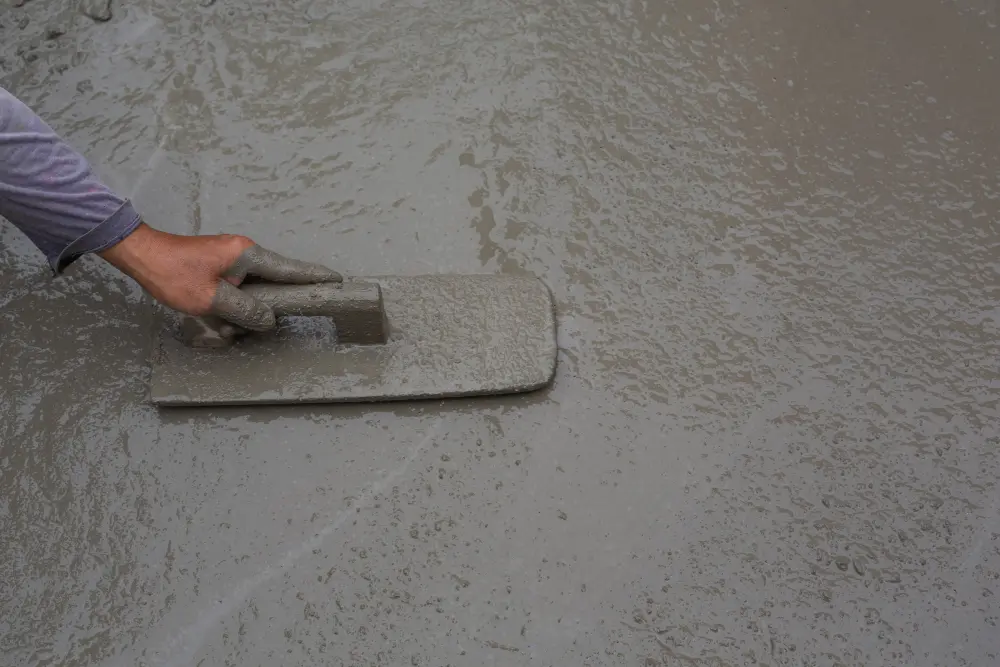
Professional concrete patching is a multi-step process that ensures lasting results. When you work with CR Concrete, the process begins with thorough inspection and root-cause analysis. Experienced contractors examine not just the visible damage but investigate what’s causing it—whether that’s drainage issues, subgrade problems, or structural concerns.
Surface preparation and cleaning come next. This crucial step involves removing all loose concrete, dirt, oil, and contaminants that would prevent proper bonding. Professionals use wire brushes, pressure washers, or mechanical tools to create a clean, sound surface. They may also cut clean edges around the damaged area to ensure the patch has defined boundaries that will hold together.
Correct material selection for patching depends on the repair location, size, and expected loads. A concrete repair process might use standard mortar mixes for shallow repairs, polymer-modified patches for high-traffic areas, or specialized bonding agents for deep structural repairs. The selected materials must have similar properties to the existing concrete—compatible expansion rates, moisture resistance, and compressive strength.
Precision application and the curing process make the difference between a patch that lasts years and one that fails in months. Professional contractors understand proper mixing ratios, application techniques, and curing times. They know that rushing the cure time to get the surface back in service quickly compromises long-term durability. Matching the patch to existing concrete for strength and appearance requires skill—not just in application but in finishing techniques that blend the repair seamlessly with surrounding surfaces.
Materials and Techniques that Make a Difference
Modern concrete repair technology offers solutions far superior to traditional patching compounds. Polymer-modified patches incorporate synthetic polymers that improve adhesion, flexibility, and resistance to freeze-thaw cycles. These advanced materials bond more effectively to existing concrete and accommodate slight movements without cracking.
For structural cracks, epoxy crack repair provides incredible bonding strength. Epoxy injections fill cracks under pressure, creating a repair stronger than the original concrete. This technique works particularly well for foundation repairs and areas subject to significant stress. Concrete leveling techniques like mudjacking or polyurethane foam injection raise sunken sections without replacement, addressing the problem of settling slabs that create trip hazards and drainage issues. Using the right concrete bonding agent ensures new material adheres permanently to old, creating a monolithic repair rather than a surface patch that will eventually pop off.
Benefits of Professional Concrete Repair and Patching
Investing in professional concrete patching offers advantages that go beyond fixing surface flaws. By addressing underlying issues, you gain enhanced durability and longevity — your repaired surfaces can withstand daily wear, temperature shifts, and moisture without recurring damage. Long-lasting repairs also save you from the disappointment of watching a quick DIY patch crumble after just one winter.
Professional concrete repair provides clear, measurable benefits:
- Improved safety through proper leveling and crack repair that eliminates trip hazards.
- Better aesthetics and curb appeal with integrated decorative concrete solutions that enhance both function and appearance.
- Long-term cost savings by reducing the need for frequent touch-ups and avoiding full replacement in the future.
While professional work may cost more upfront, it delivers stronger, safer, and more attractive results that last for years — making it the smart investment for property owners.
When to Call a Professional Contractor
Certain situations clearly require expert concrete patching rather than DIY attempts. When damage is deep or recurring—reappearing in the same location despite previous repair attempts—underlying issues need professional diagnosis and correction. Uneven slabs and trip hazards demand immediate attention both for safety and to prevent the supporting subgrade from washing away completely.
Foundation or structural cracks affecting your home’s stability should never be addressed with quick fixes. These require engineering knowledge to determine whether the cracks indicate settling, heaving, or structural failure. An expert concrete patching contractor has the experience to distinguish between cosmetic issues and serious concerns, plus the tools and materials to address residential concrete repair properly.
How CR Concrete Delivers Long-Lasting Results
CR Concrete has built its reputation in Columbus, Ohio on expertise in concrete restoration and patching that truly lasts. Our team understands that effective repairs require more than just filling holes—they demand comprehensive solutions addressing root causes. We’re committed to using quality materials specifically selected for each project’s unique conditions and requirements.
Our services extend beyond basic patching to include driveway repair, foundation stabilization, slab replacement, and protective sealing that prevents future damage. We also specialize in hardscaping and outdoor living projects that transform repaired areas into beautiful, functional spaces. Whether you’re dealing with a cracked patio that needs restoration or planning a complete outdoor renovation with features like custom fire pit designs, CR Concrete brings local expertise and a reputation for durable workmanship to every project.
As a local concrete restoration company, we understand the specific challenges Columbus-area properties face—from our clay-heavy soils to our temperature extremes. This regional knowledge informs our repair strategies and material selections, ensuring repairs that perform in our specific climate conditions.
Conclusion: Don’t Settle for Short-Term Fixes
Your concrete surfaces represent a significant investment in your property’s functionality, safety, and value. Protecting that investment requires more than cosmetic patches that mask problems temporarily. Proper patching addresses damage at its source, using professional techniques and quality materials that restore structural integrity and prevent future deterioration.
The difference between a DIY Band-Aid and professional concrete repair is the difference between repeatedly addressing the same problem and actually solving it once. While the upfront cost may be higher, the long-term value of lasting concrete solutions far exceeds the expense and frustration of continual patch-and-fail cycles.
Don’t let minor concrete damage evolve into major structural problems. Contact CR Concrete for expert patching and repair services that stand the test of time. Our team will assess your concrete’s condition, explain your options clearly, and deliver professional repairs that protect your property for years to come.
Key Takeaways
- Temporary concrete patches fail because they don’t address underlying causes like moisture infiltration, ground movement, or structural issues that created the damage.
- Professional concrete repair involves comprehensive assessment, proper surface preparation, quality materials, and skilled application—steps that DIY approaches typically skip.
- Ignoring proper repair leads to accelerated deterioration, safety hazards, decreased property value, and eventually more expensive full replacements.
- Modern repair materials and techniques such as polymer-modified patches, epoxy injections, and proper bonding agents create repairs as strong as or stronger than original concrete.
- CR Concrete in Columbus, Ohio provides expert concrete patching services that solve problems permanently, using local knowledge and quality craftsmanship to deliver lasting results.
FAQ
Q1: How long does professional concrete patching last compared to DIY fixes?
Professional concrete patching using quality materials and proper techniques typically lasts 10-20+ years, while DIY patches often fail within 1-3 years due to improper surface preparation, incorrect materials, or failure to address underlying causes.
Q2: Can all concrete cracks be repaired, or do some require complete replacement?
Most concrete cracks can be effectively repaired if caught early, but extensive damage—multiple large cracks, significant settling, or structural failure—may require section or complete slab replacement for lasting safety and stability.
Q3: What’s the difference between concrete patching and resurfacing?
Patching repairs specific damaged areas using fill materials to restore integrity, while resurfacing applies a new layer over the entire surface to improve appearance and add a protective coating—both serve different purposes based on damage extent.
Q5: When is the best time of year to repair concrete in Ohio?
Spring through fall provides ideal conditions for concrete repair in Ohio, with temperatures between 50-85°F allowing proper curing—avoid winter repairs when freezing temperatures prevent proper bonding and curing of repair materials.